Fiction Vs Reality: The ‘Quezon’ Cinematic Universe and Actual Photos from History
A necessary companion material for those who’ve seen the movie and those still planning to catch it.
Published on Oct 25, 2025
%20(1).png)
(SPOT.ph) The film Quezon is the third and last in the “Bayaniverse” series where the filmmaker reimagined the past to make pointed observations about the present. Historians have seized on the films as an opportunity to get some pop culture cred and get discussions going on the past, present, and future.
%20(1).png)
Precisely because public knowledge on the past is so little, one can understand the desire of historians to ride on the bandwagon, so to speak. But simply as an additional entertainment, it might also be interesting to compare the imagination, not just of the film maker (who’s story it is: for a historical movie, facts are only relevant if useful and anything useful is subject to change to help storytelling along), but all those working on the film, particularly when it comes to costumes and sets.
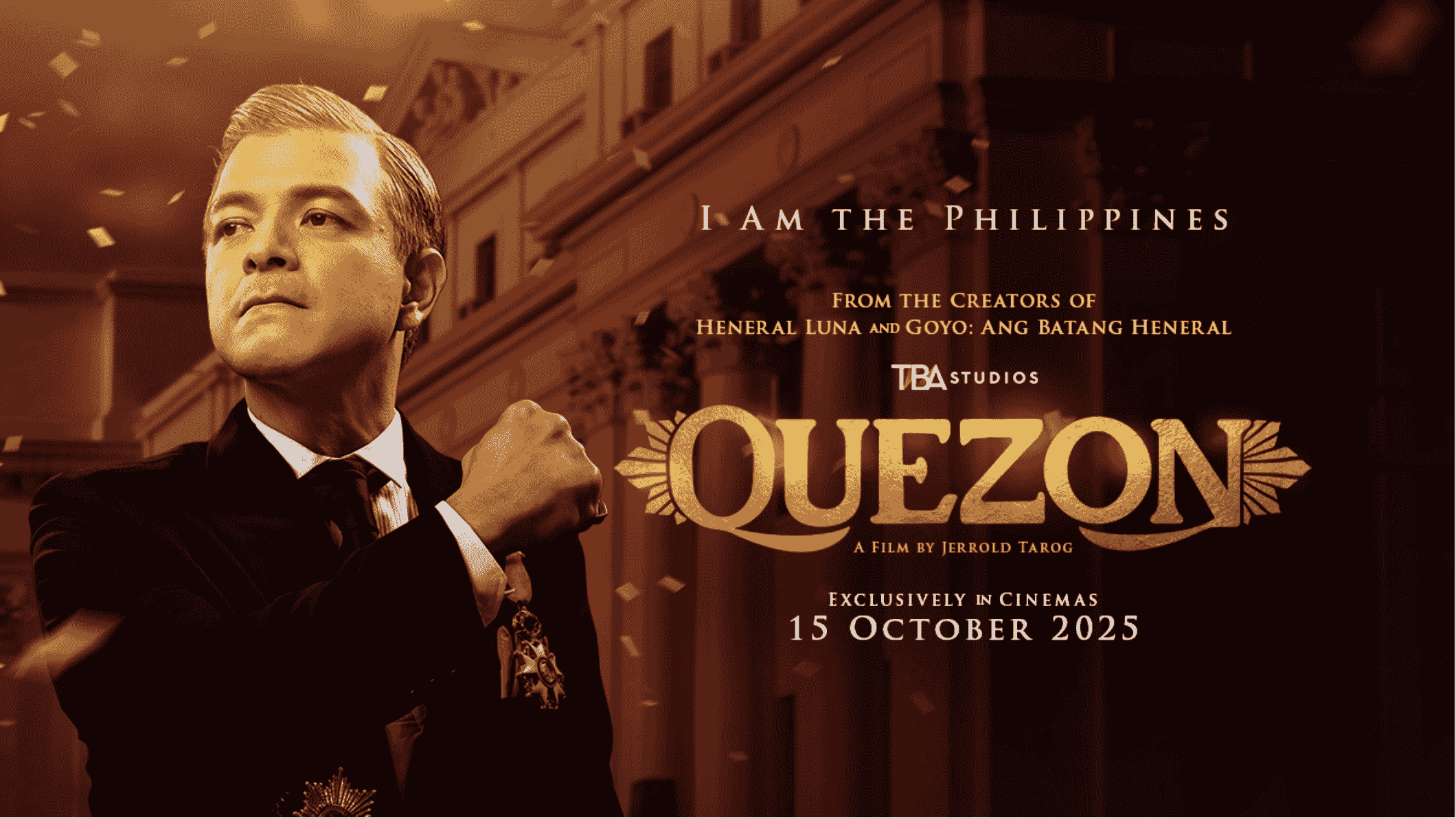
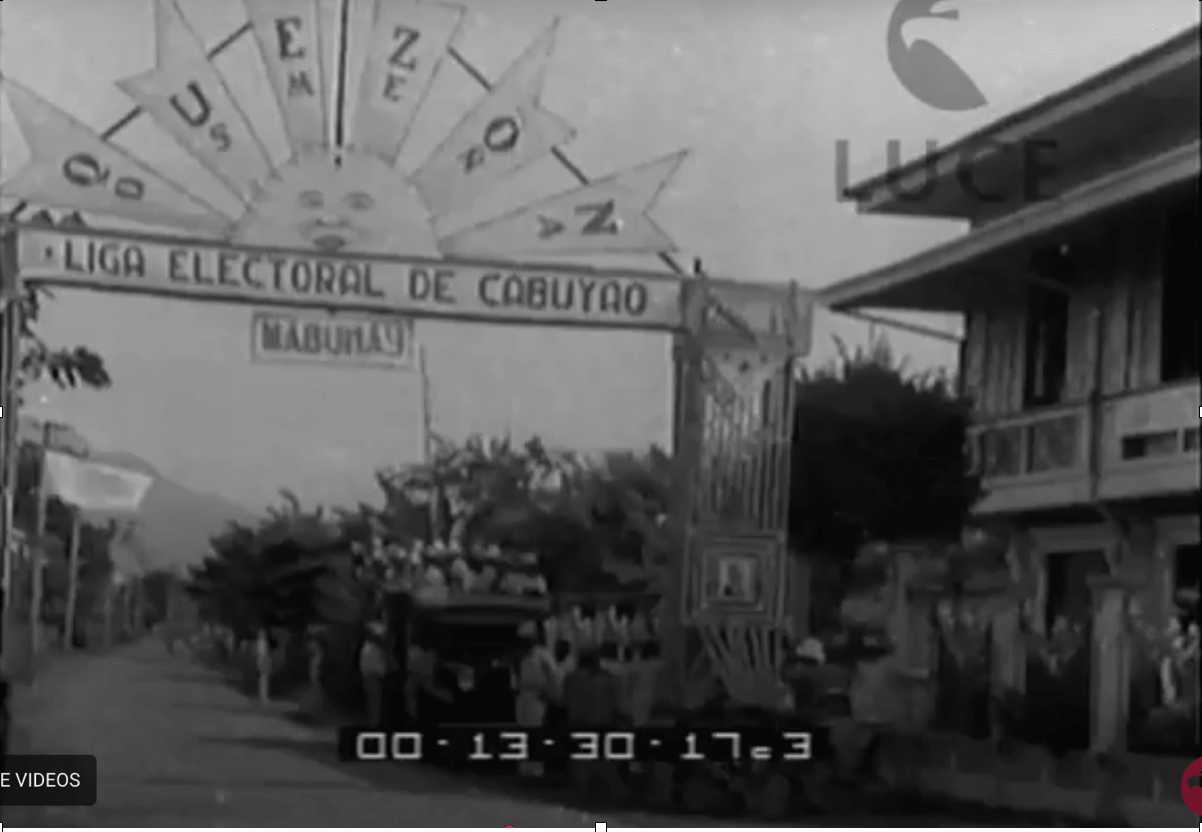
The design of the Quezon movie logo is based on an actual campaign arch in Cabuyao, as seen in an Italian newsreel on the 1935 campaign.
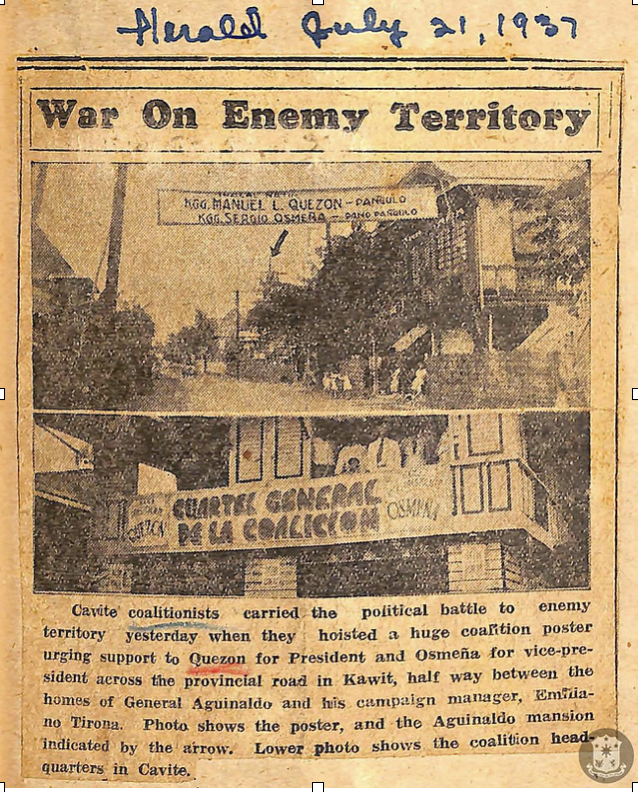
“Cavite coalitionists carried the political battle to enemy territory yesterday when they hoisted a huge coalition poster urging support to Quezon for President and Osmeña for vice-president across the provincial road in Kawit, half way between the homes of General Aguinaldo and his campaign manager, Emiliano Tirona. Photo shows the poster, and the Aguinaldo mansion indicated by the arrow. Lower photo shows the coalition headquarters in Cavite.” (Herald, July 21, 1937): I think this is mislabeled, it has to be from 1935, but probably clipped and put in the album in 1937.
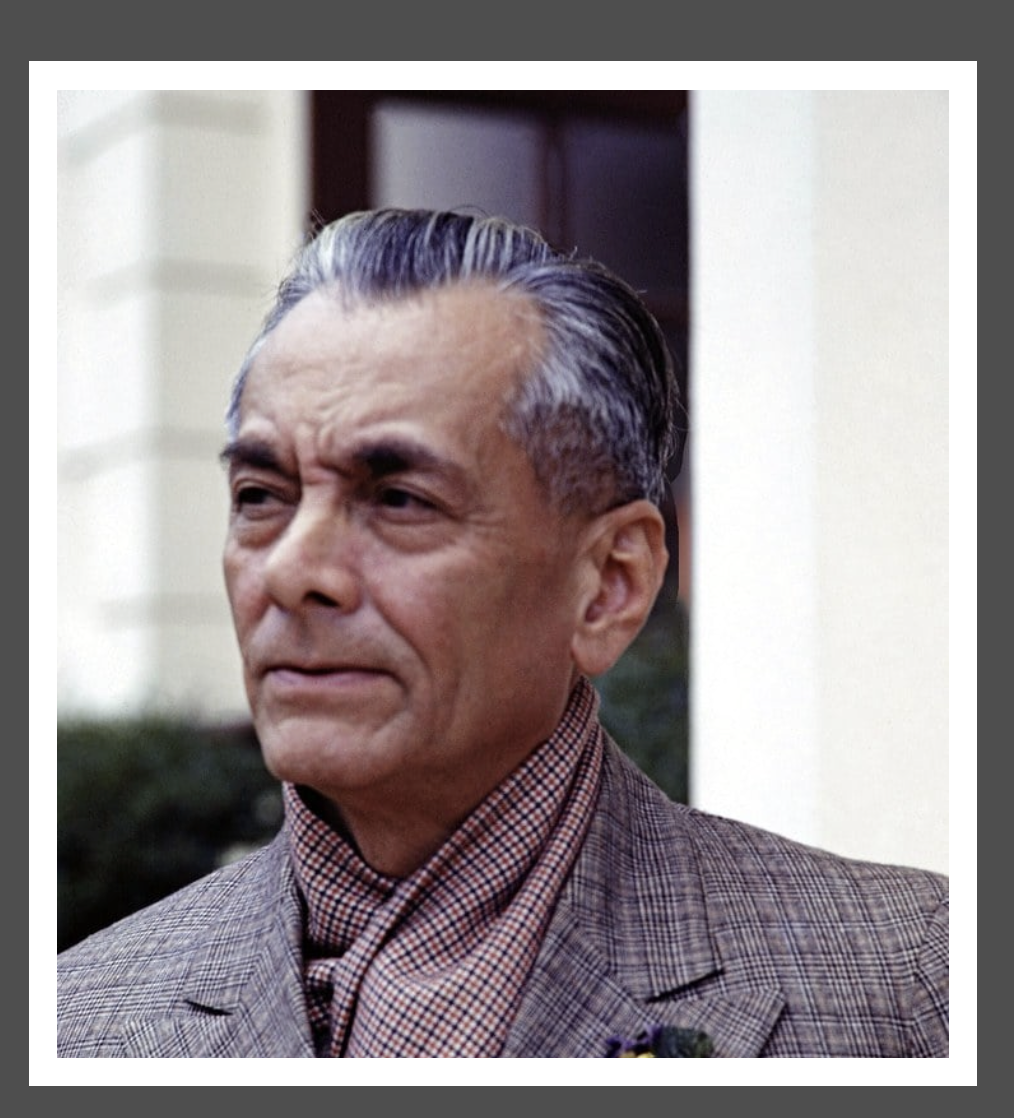
Portrait of Manuel L. Quezon, President of the Philippines, ca. 1940s
There is only one full color photograph of Quezon widely seen and available at present, found by the late John Tewell. While undated, it is also fairly easy to date photos of Quezon depending on whether he has stopped dying his hair, which happened after his trip to Mexico in 1937 where he is said to have admired a protocol officer assigned to him who had salt-and-pepper hair. This photo, then, had to have been taken sometime between 1937 and 1941; after 1941 the stress of the war made his hair almost completely white.
Photographer: Harrison Forman. Gift to the library by his wife Sandra Carlyle Forman, 1987. American Geographical Society Library Photo Archive, University of Wisconsin, Milwaukee.
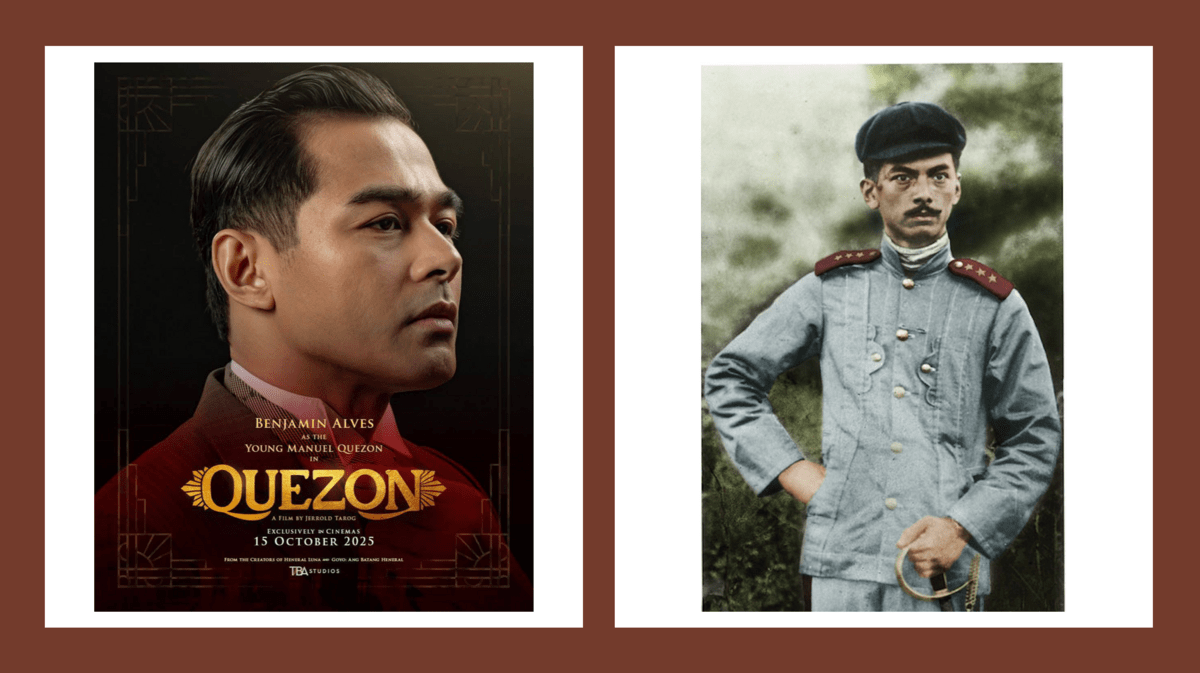
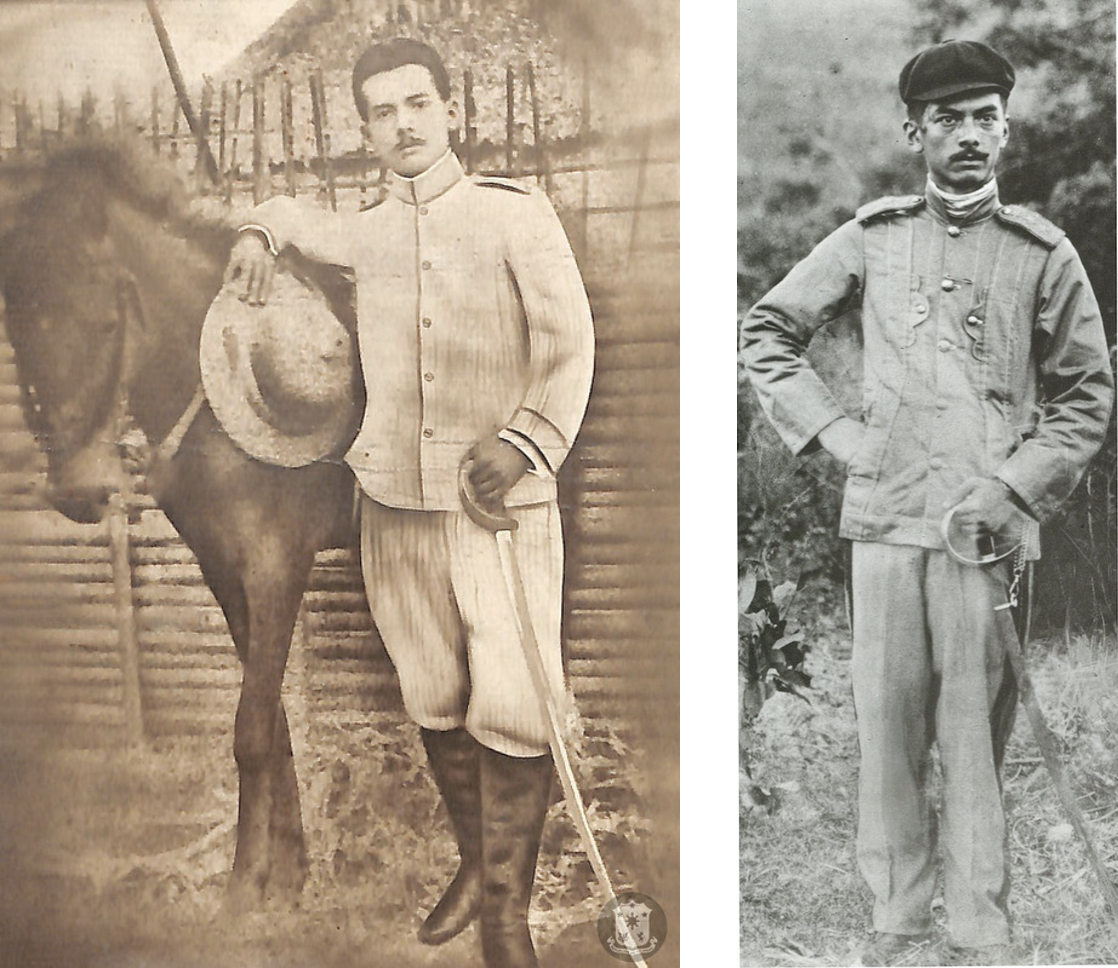
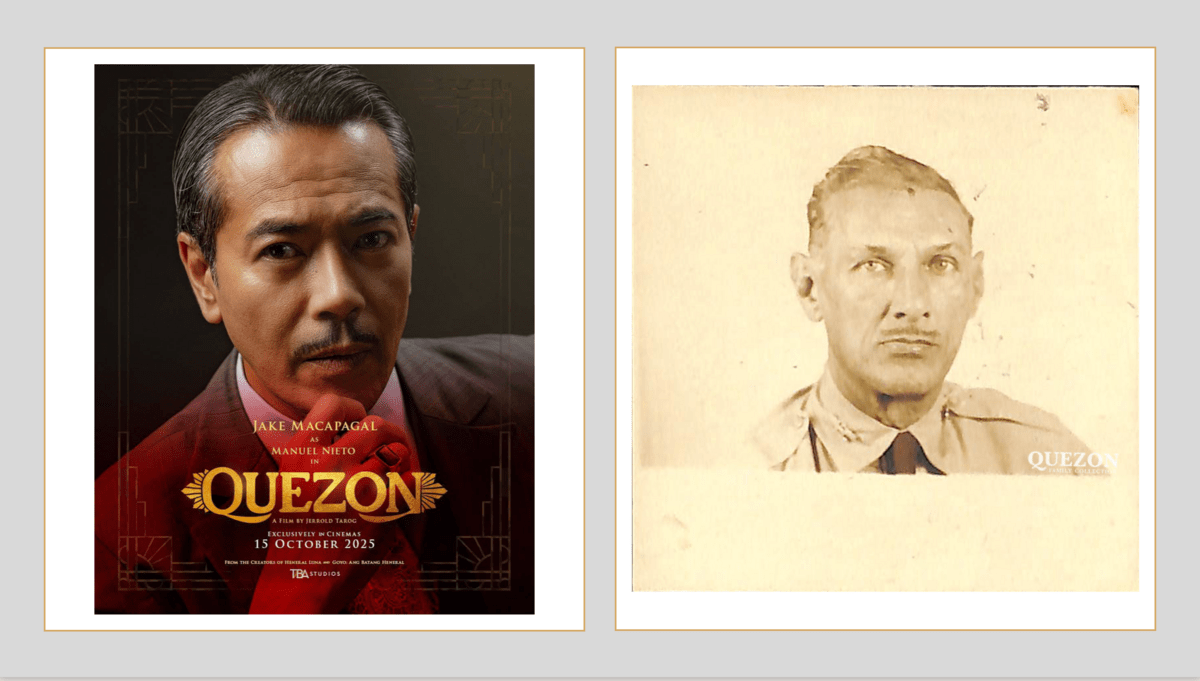
Only two images are claimed to date back to the period of the Filipino-American War. The first, on the left, is said to have been taken in Bataan. The second shows a much thinner Major Quezon and so probably closer to the time he surrendered in 1901.
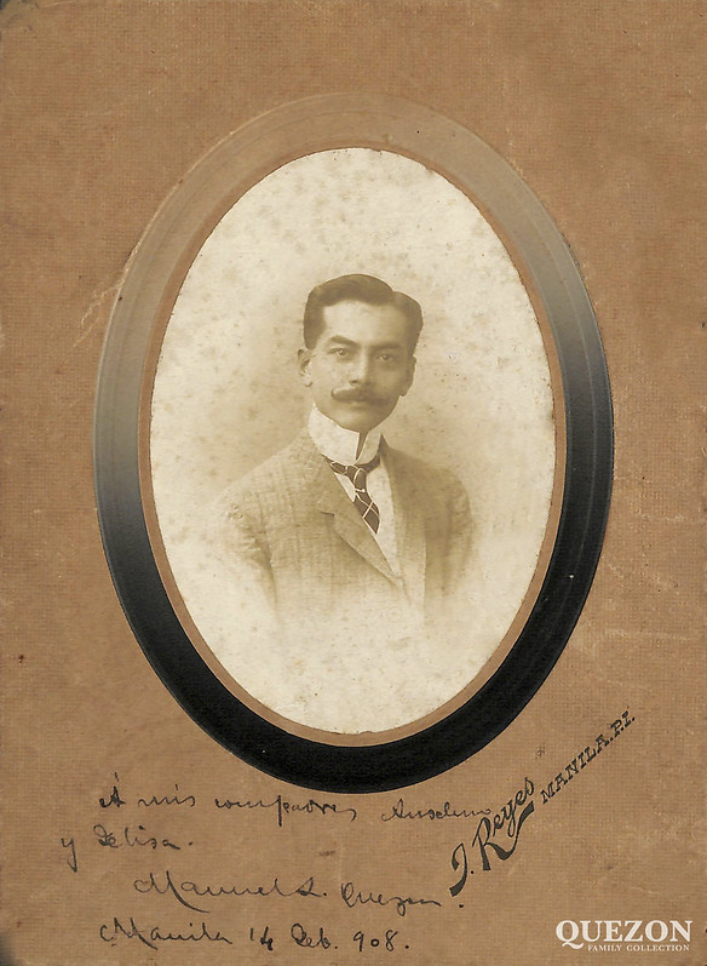
The American journalist John Gunther wrote, “Old photographs show him with wonderful twirling mustachios over a jaw-breaking collar; he says he cut them off because they tickled the girls too much.” His mustache allows the dating of his photographs with some certainty: from his earlier photograph as a Major in the Army, to his entry into government as a Fiscal, then in politics, as Governor, then Assemblyman and the first Majority Floor Leader in 1907, to his appointment by the Legislature as Resident Commissioner to the U.S. Congress in 1909, he had a moustache in his photos. It would be while living in Washington, D.C. that he decided to be cleanshaven.
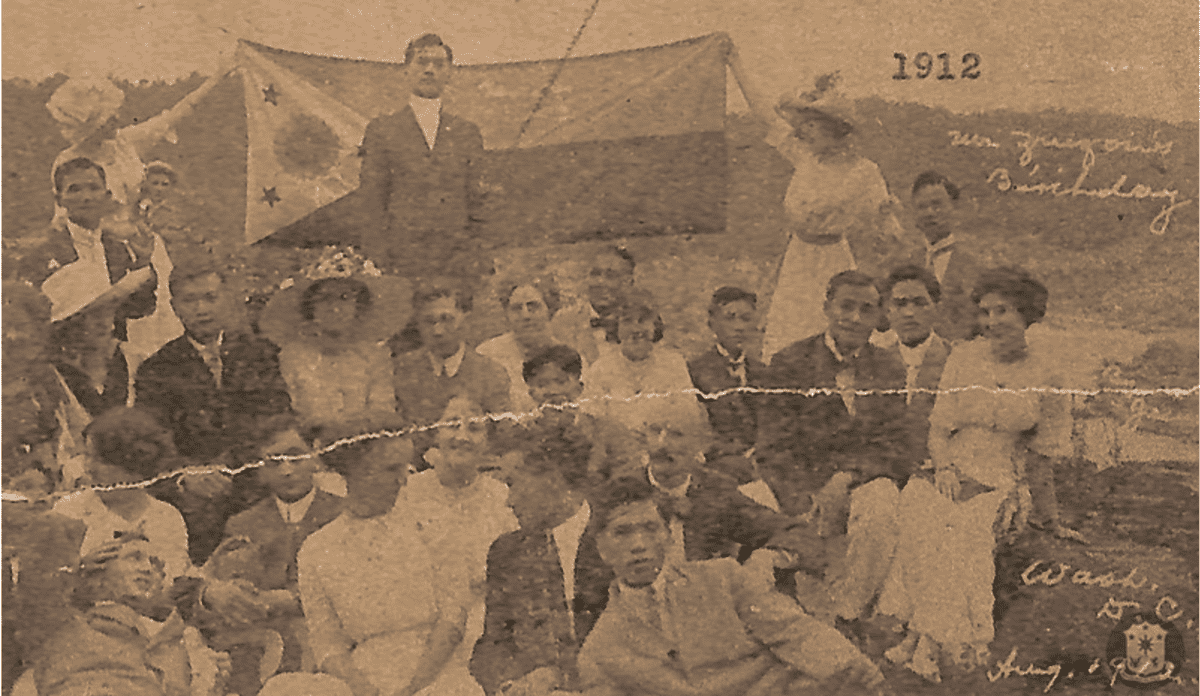
One of the earliest photographs of Quezon without a moustache; here the photo dates from August 19, 1912. Note that at the time, according to law, display of the Philippine flag was illegal.
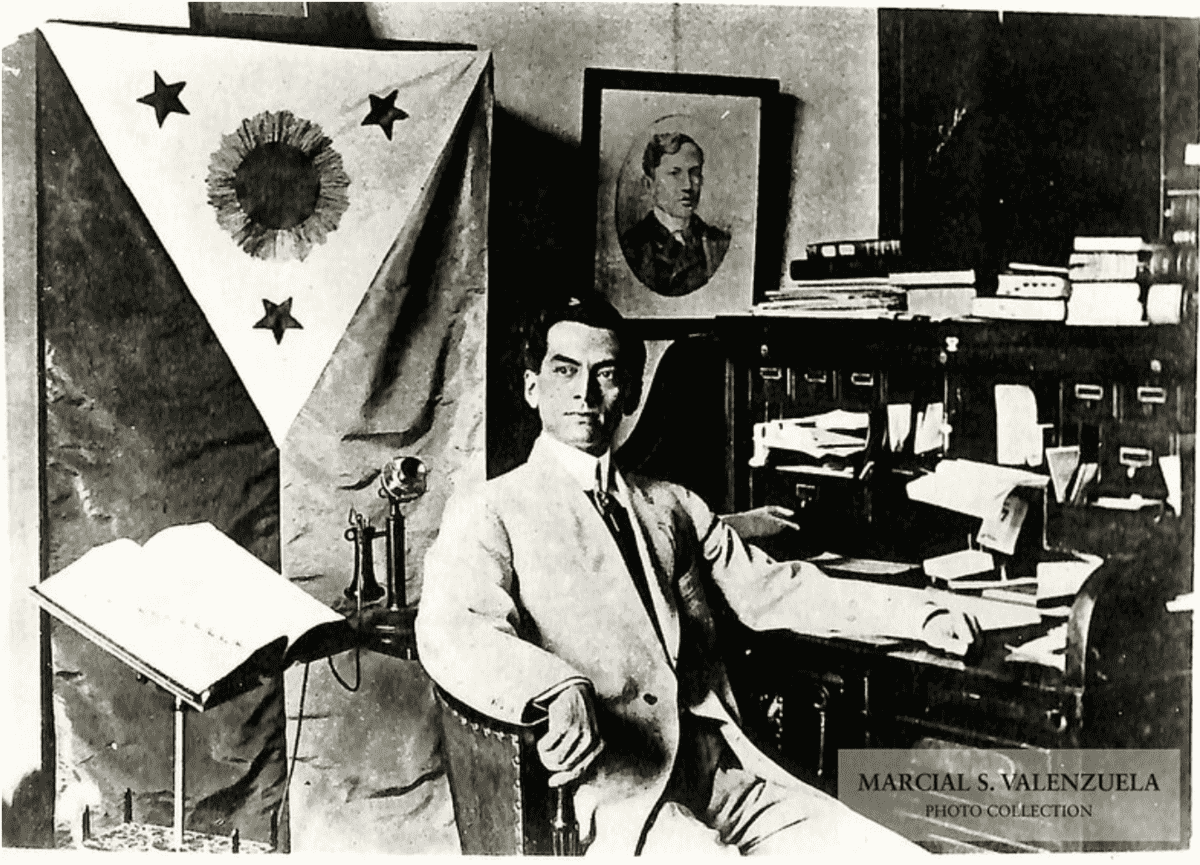
In his office as Resident Commissioner of the Philippines to the United States Congress, where he could participate in sessions but not vote. Note the portrait of Rizal and the display of the Philippine flag, which would remain illegal in the Philippines until 1919.
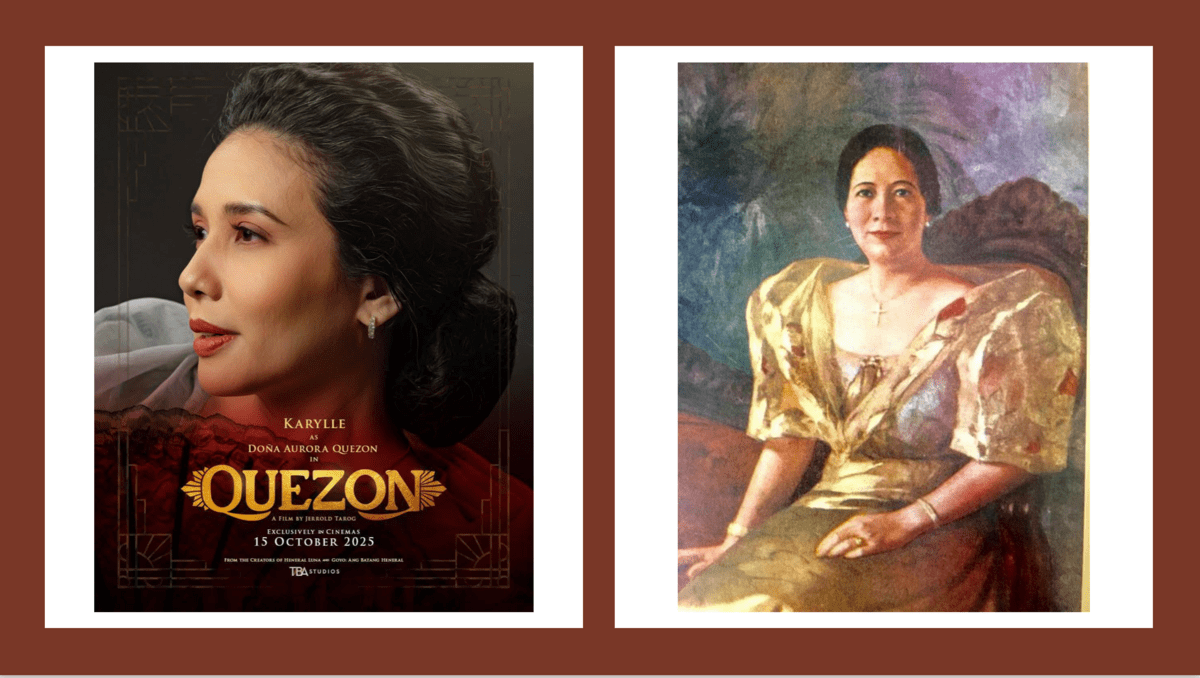
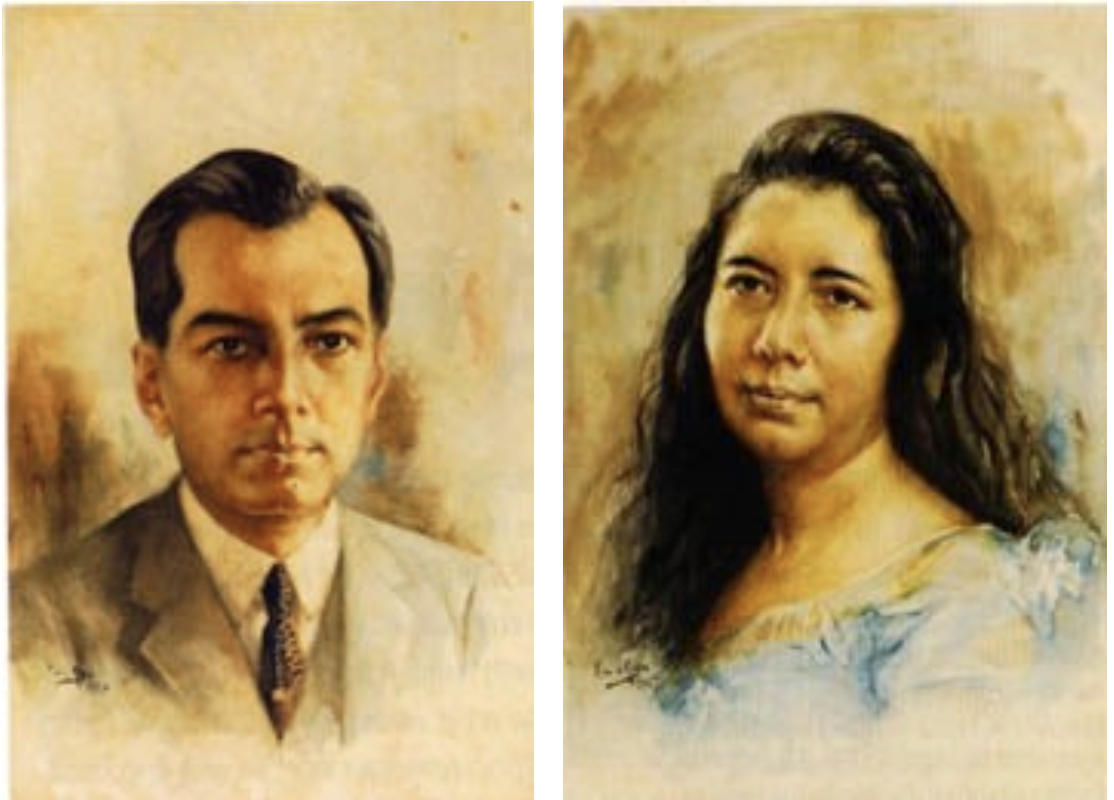
A remarkable pair of watercolor portraits of Manuel and Aurora Quezon by Fabian dela Rosa in the Vargas Museum collection. They depict the couple at the time of the Cabinet Crisis in 1922.
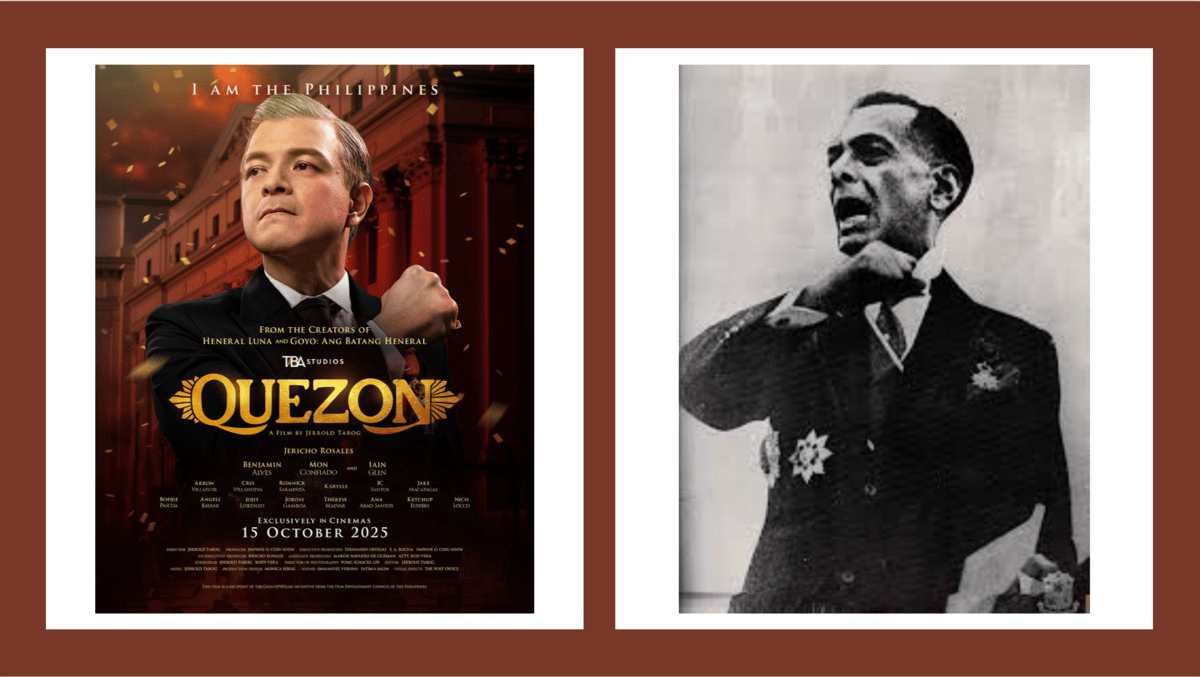
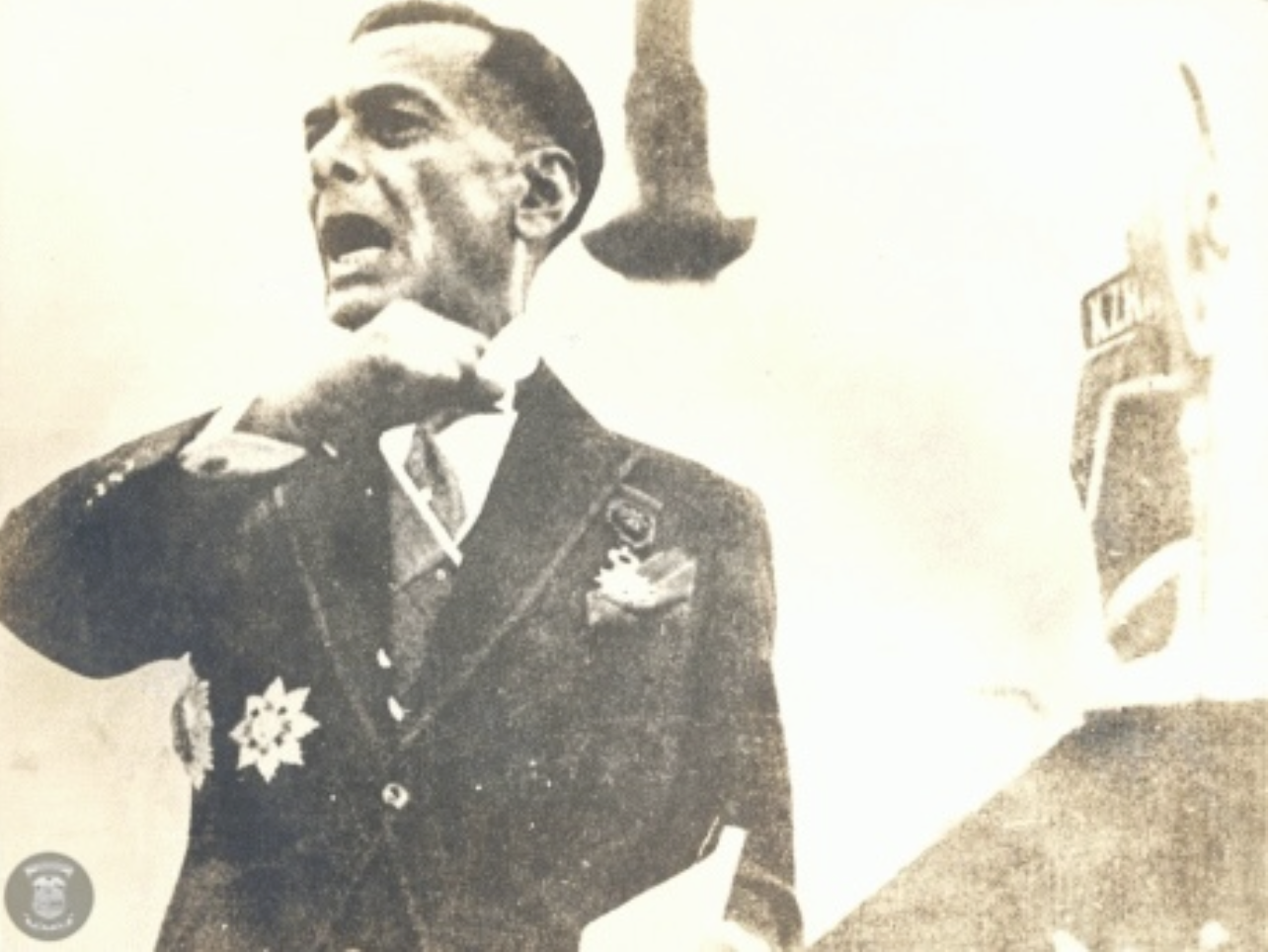
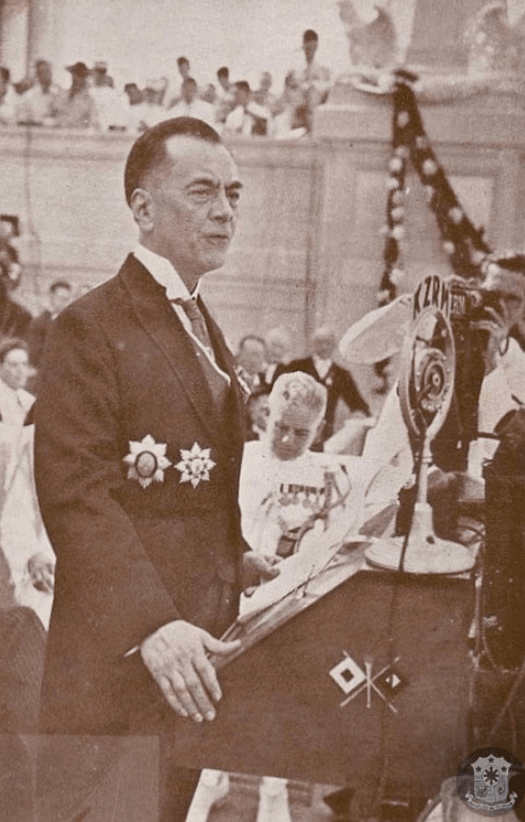
The iconic photograph by Honesto Vitug taken during the inauguration of the Commonwealth, November 15, 1935.
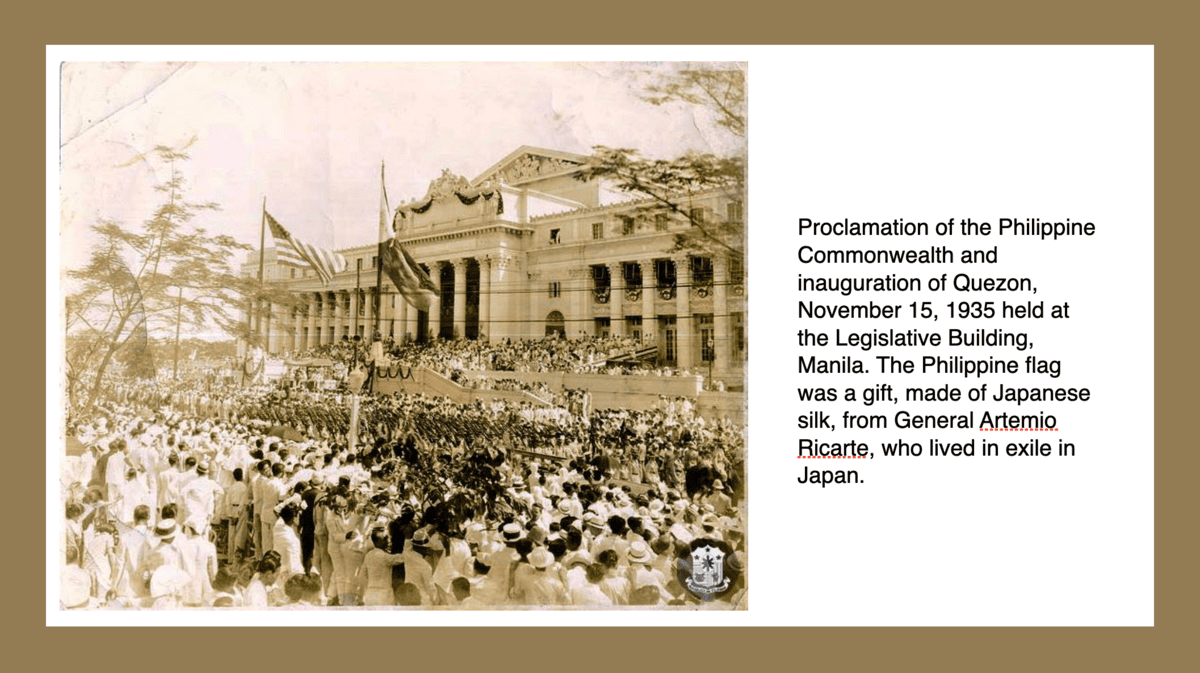
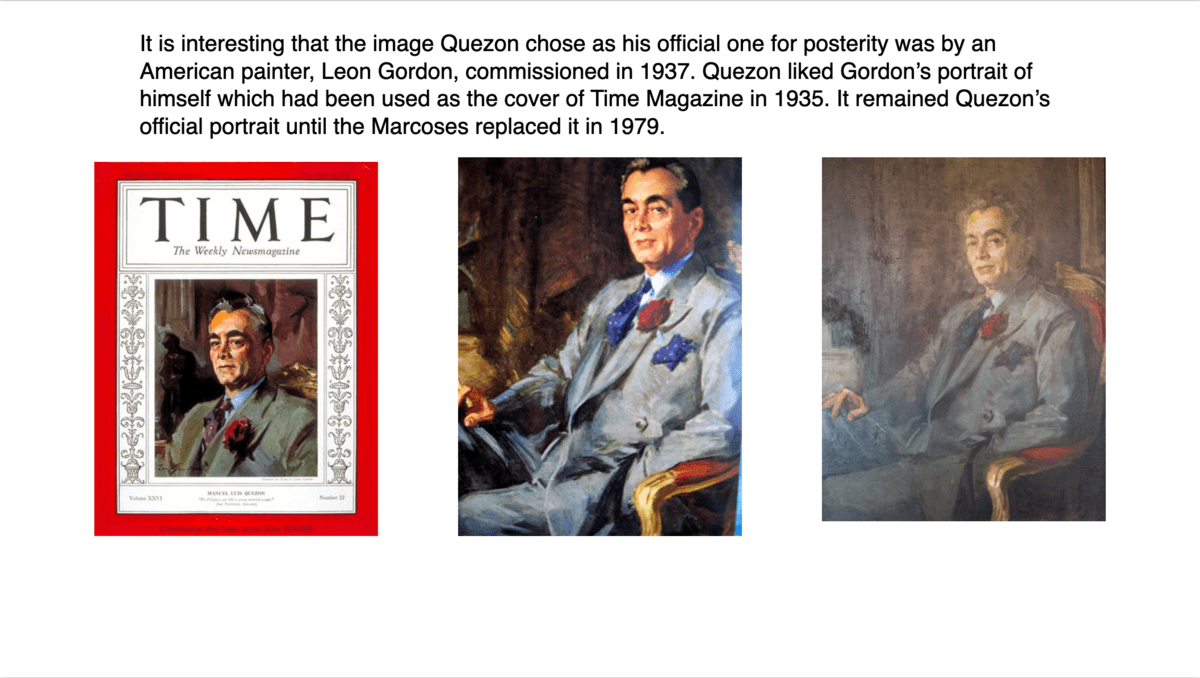
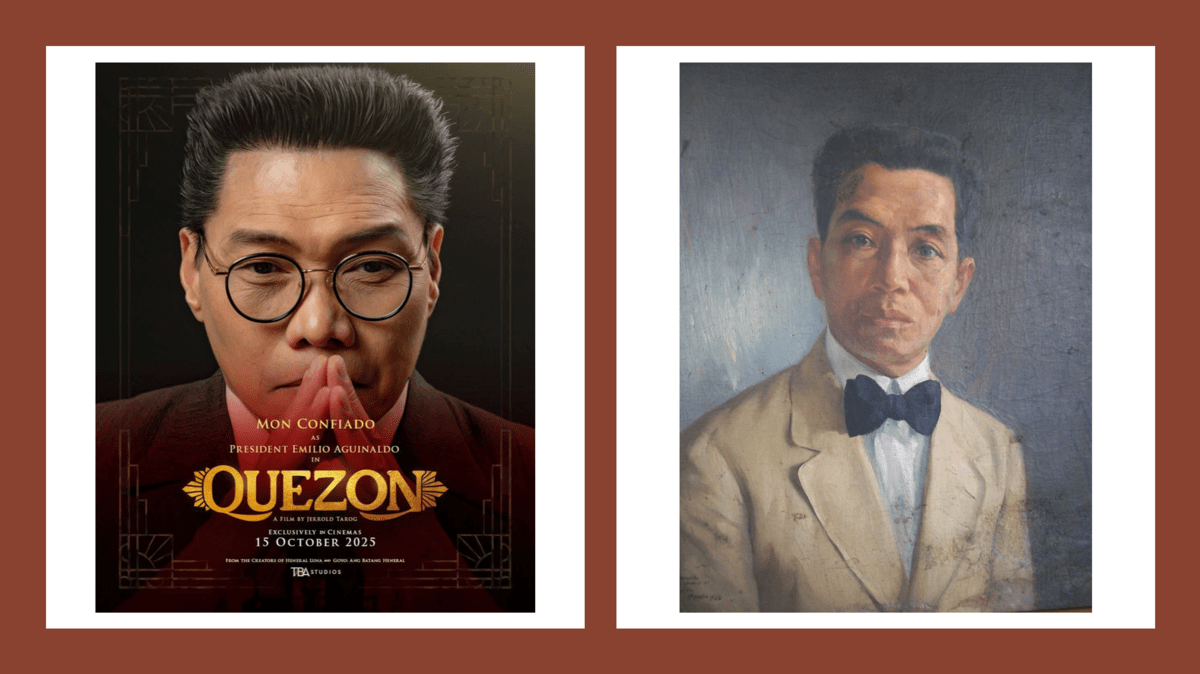
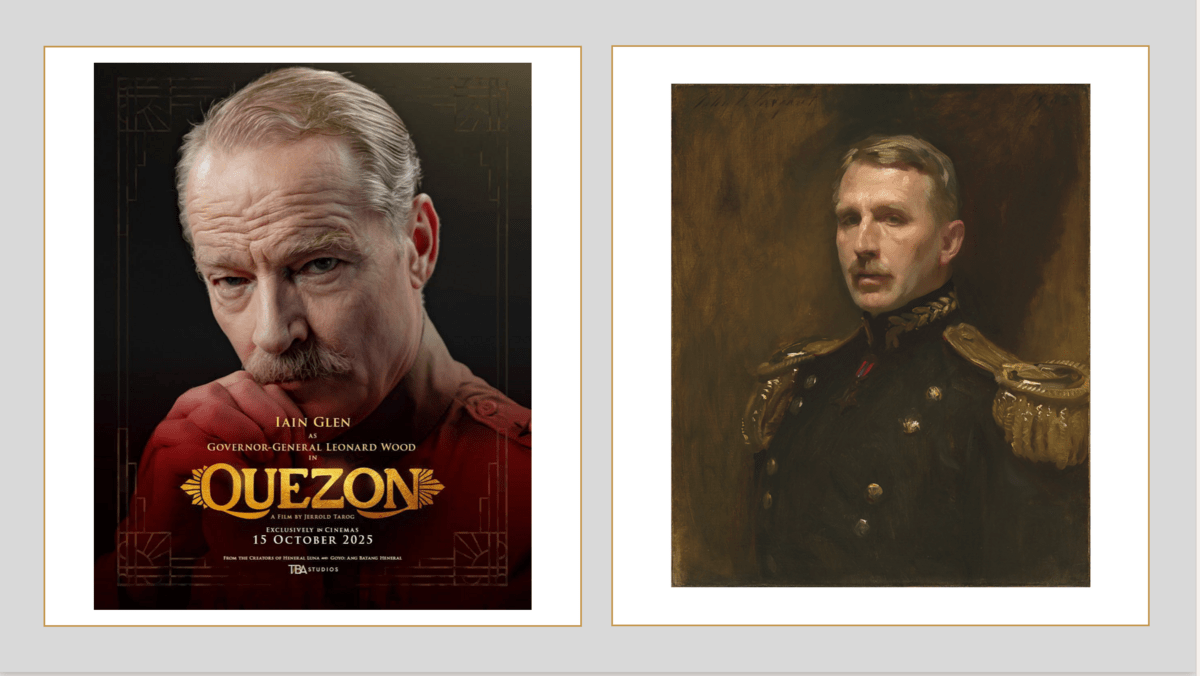
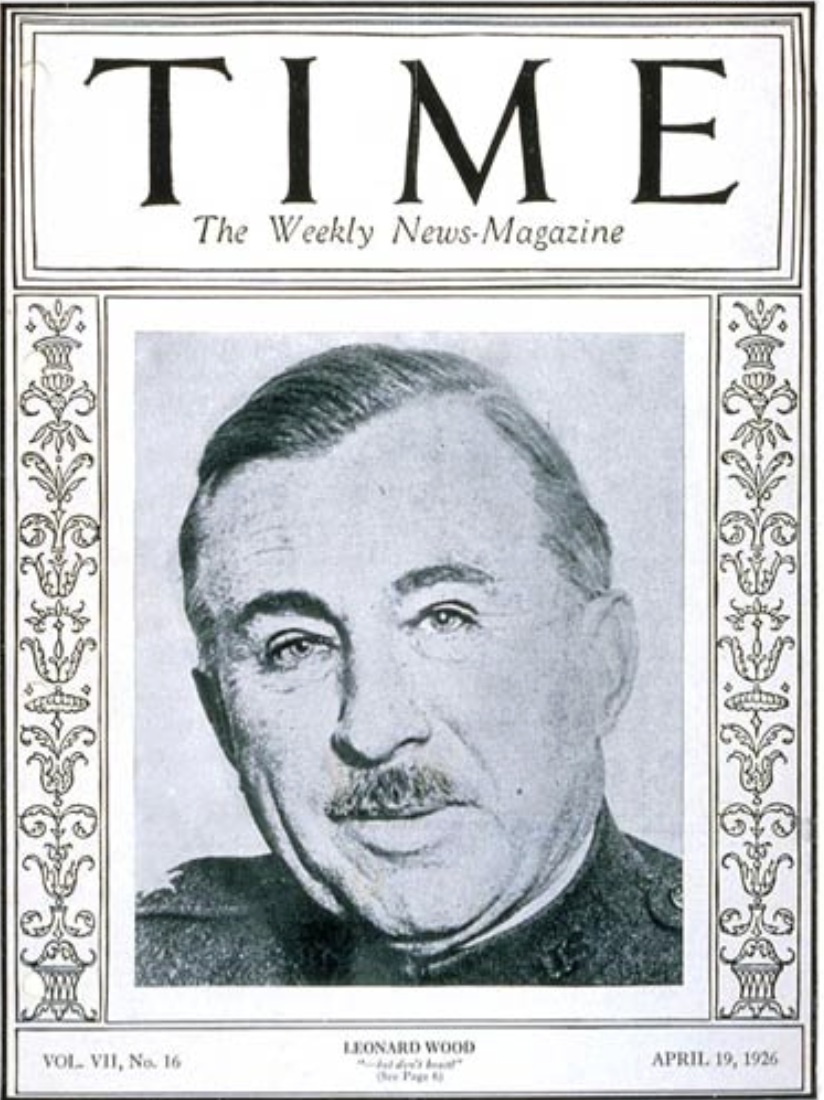
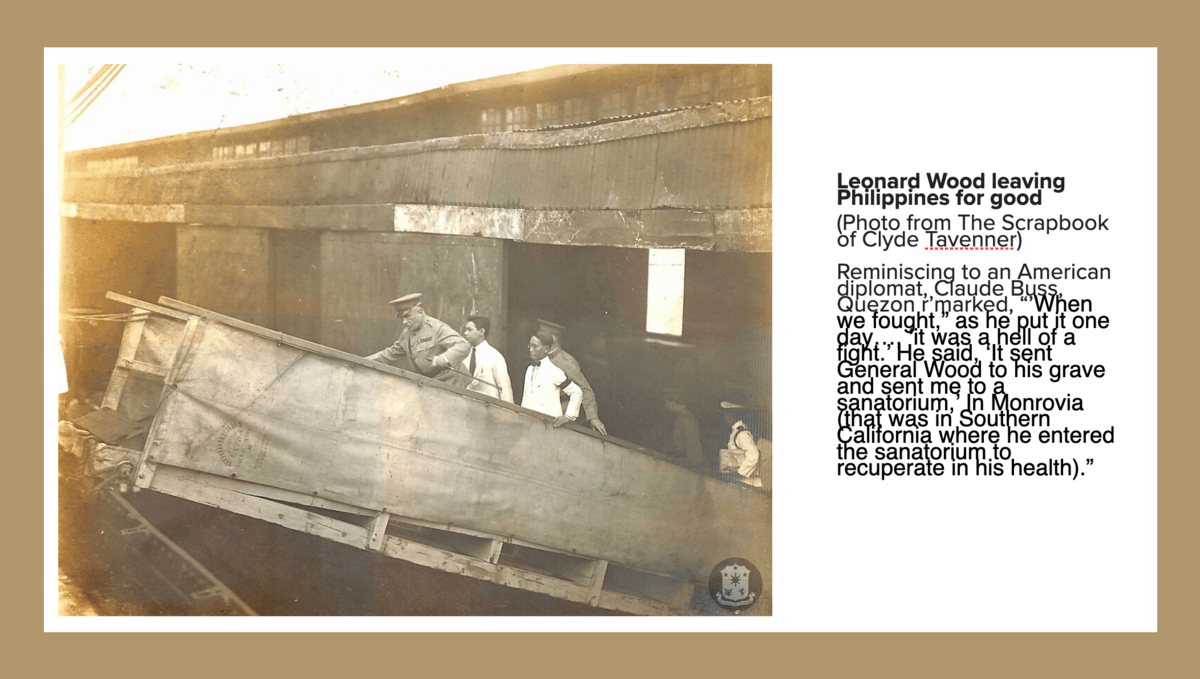
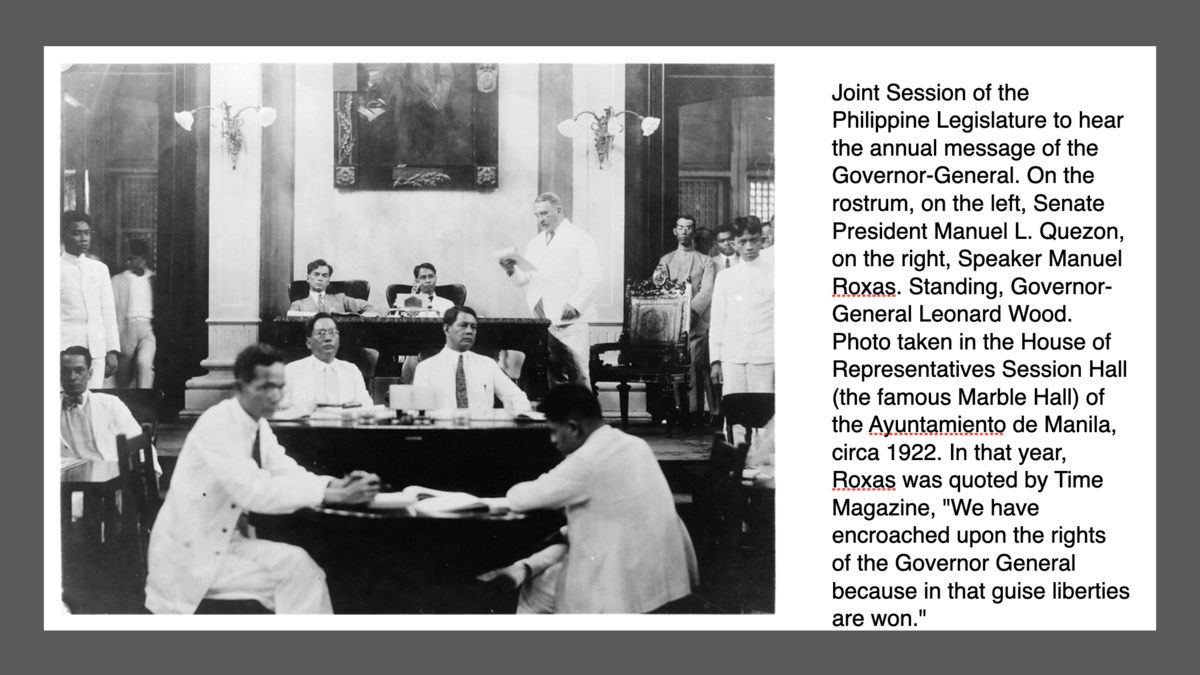
Leonard Wood had gained notoriety –and anger from Mark Twain, for the Bud Dajo massacre in Mindanao. In 1920, as a lame duck about to leave office, President Woodrow Wilson sent a message to the U.S. Congress saying the Philippines was ready for independence. Congress, under Republican control, sent Leonard Wood and William Cameron Forbes to Manila on a fact-finding mission to find every fact to prove the Philippines wasn’t.
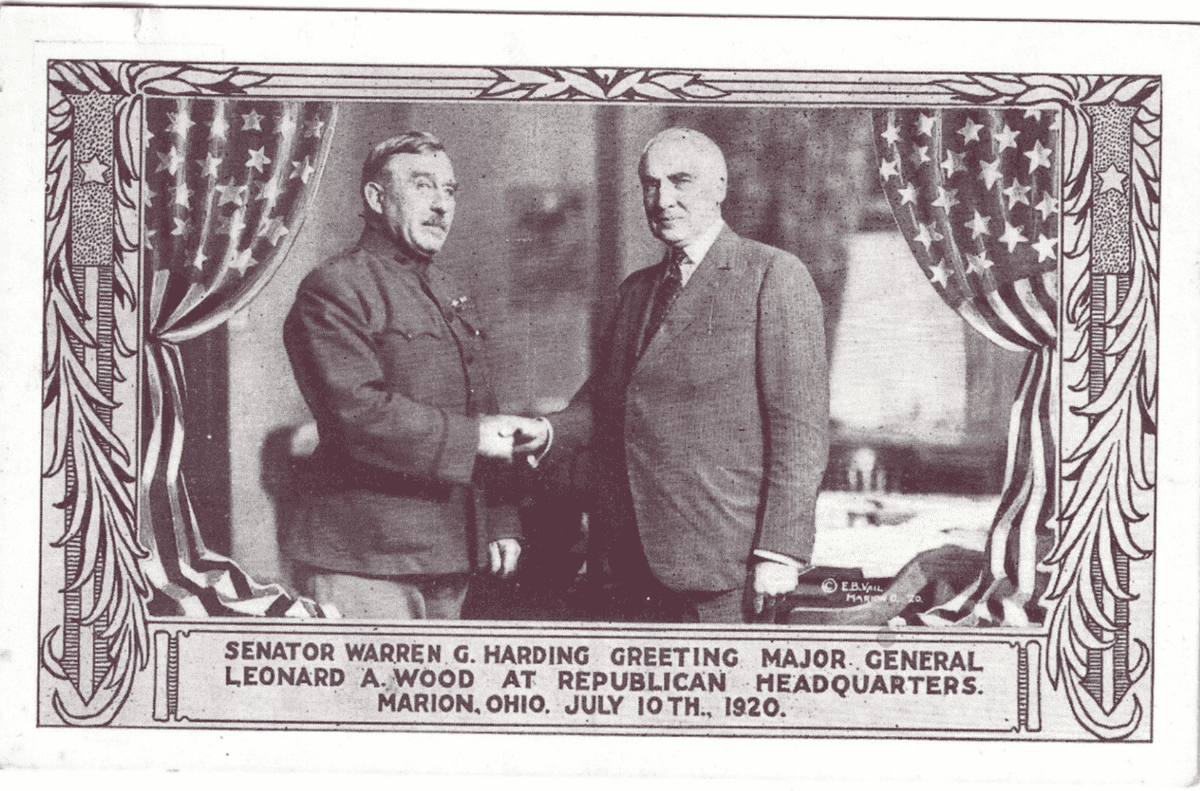
In 1920, Leonard Wood ran for the presidency but was defeated for the Republic nomination by Warren G. Harding who then sent him halfway across the world to Manila, to be Governor-General, thus removing his political influence at home. One year into his new job, Harding then issued a statement limiting what Wood could do: ‘No backward step is contemplated, no diminution of your domestic control is to be sought.’
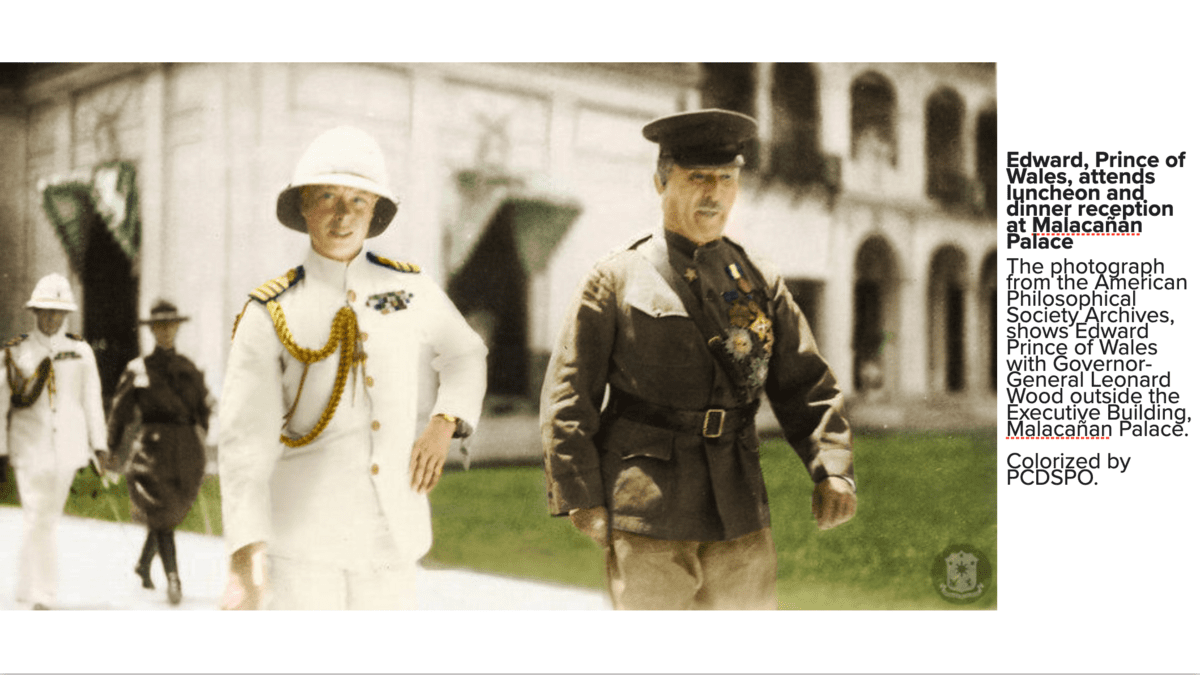
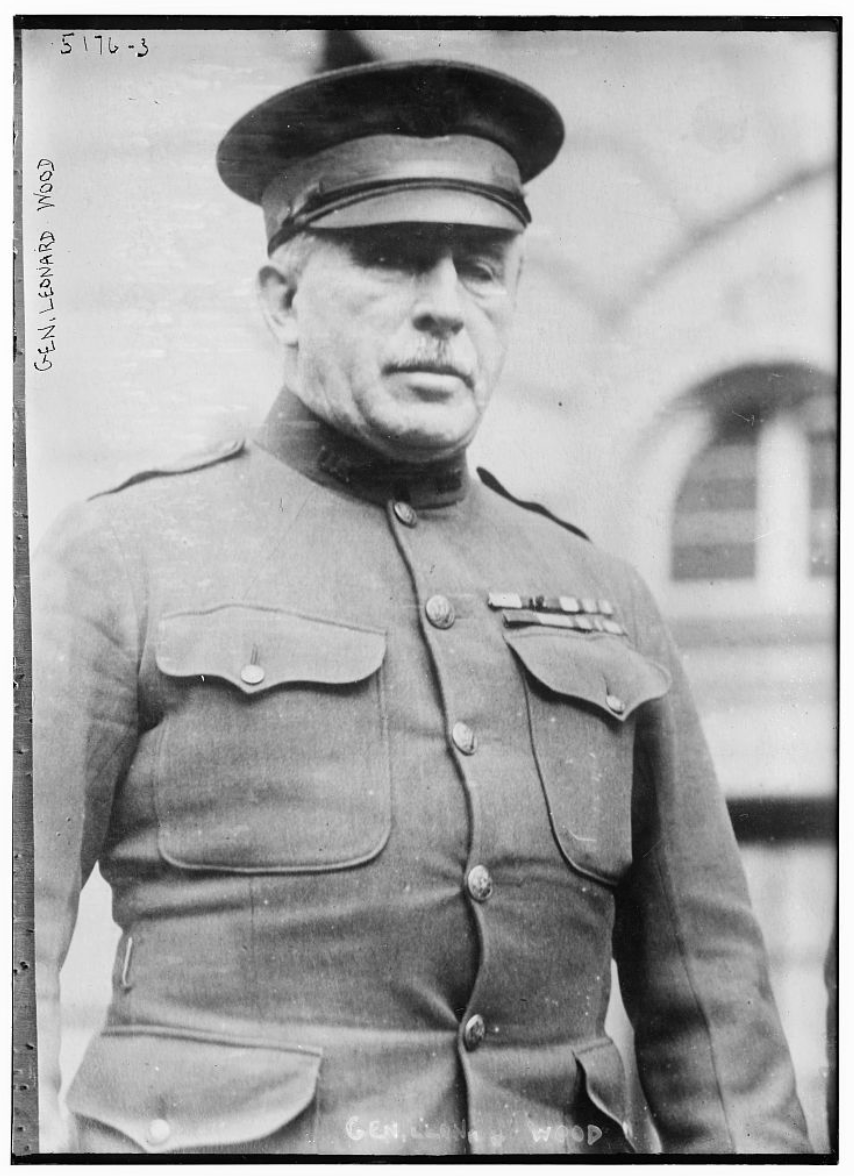
The movie trailer shows a limping Wood. Leonard Wood’s crippling condition was caused by a recurring brain tumor. He first had surgery for the tumor in 1910, but it returned while he was serving as Governor-General of the Philippines in the 1920s.
Key events related to Wood’s health and his time in Manila:
1910 brain tumor surgery: Prominent neurosurgeon Harvey Cushing performed the first operation on Wood’s benign meningioma brain tumor in 1910. While the surgery was successful, the tumor later returned.
Poor health in the 1920s: During his tenure as Governor-General of the Philippines from 1921 to 1927, Wood’s health significantly declined. He suffered from paralysis on his left side, which caused him to walk with a limp, and was twice operated on for a hernia.
Refractured ribs: On the voyage back to the United States in 1927, Wood fell during a sudden lurch of the boat, refracturing ribs he had recently broken in an automobile accident near Manila.
Final surgery and death: Following his return, Wood underwent a second surgery in Boston to remove the recurring tumor. He died on August 7, 1927, due to complications from the operation.
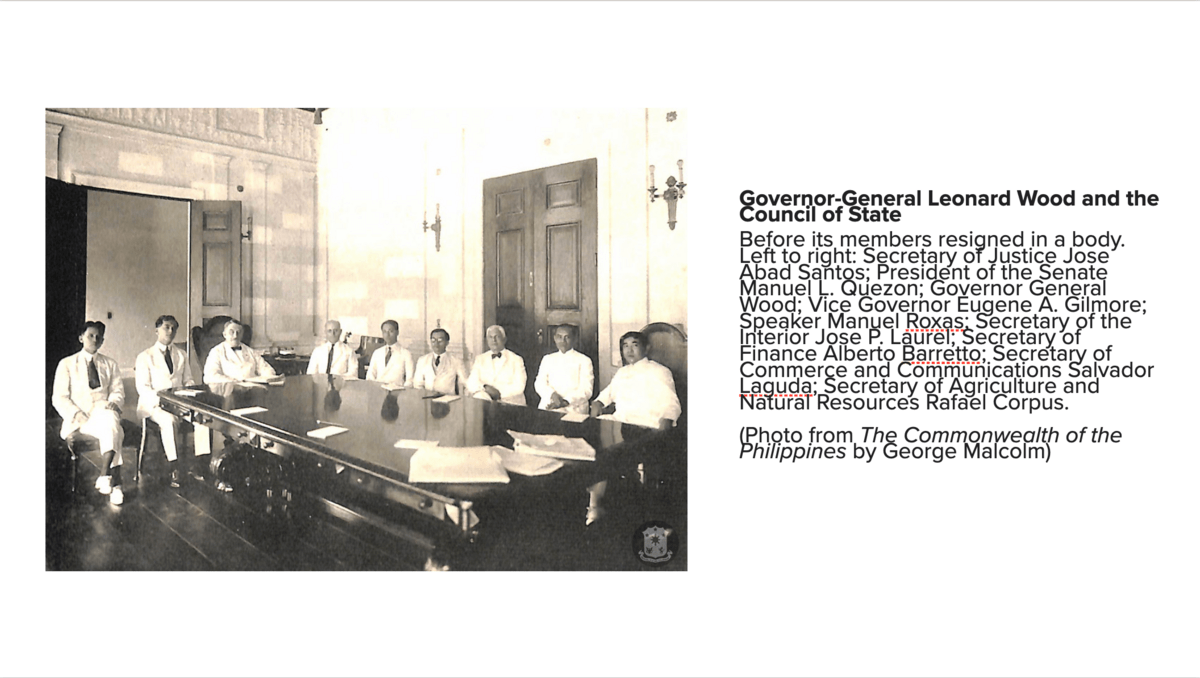
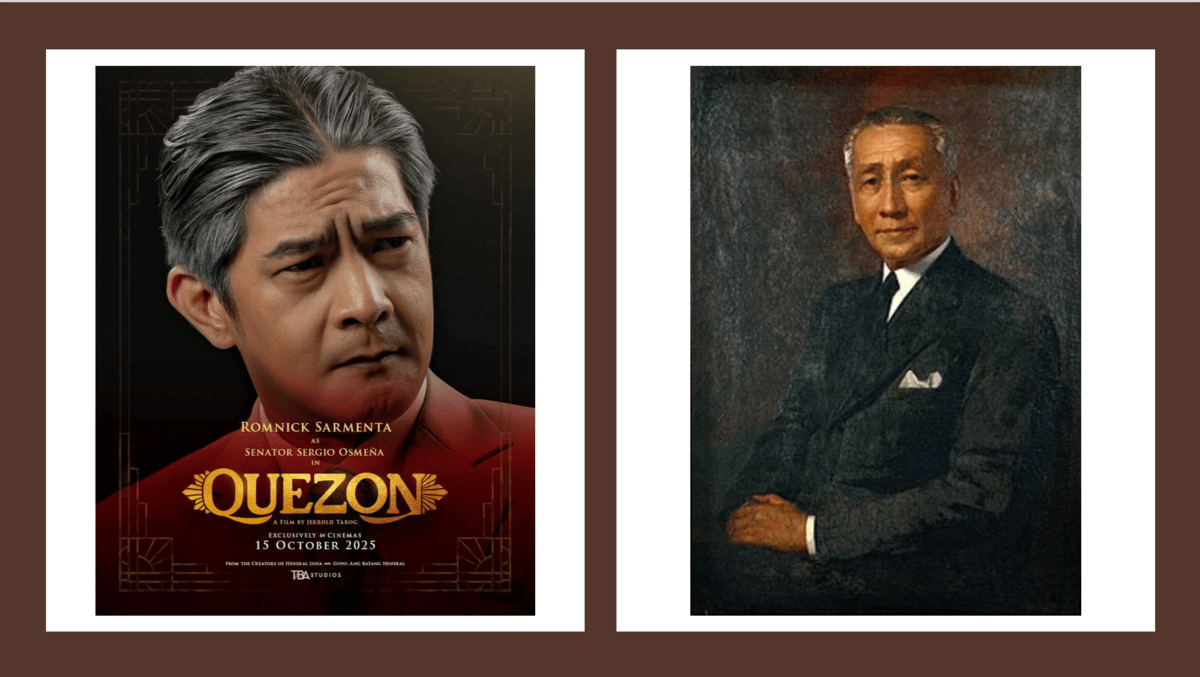
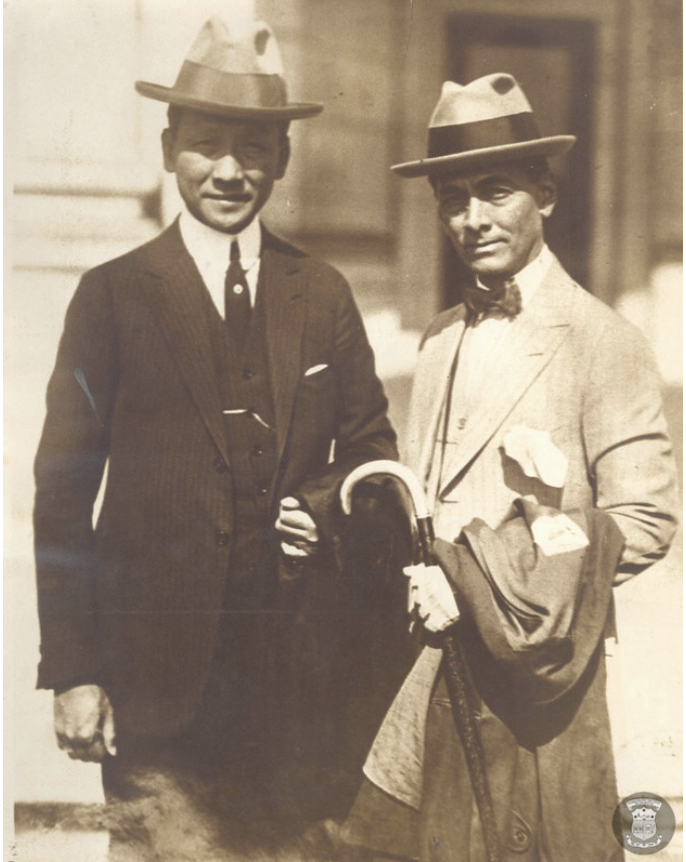
Sergio Osmeña and Manuel L. Quezon in the 1920s. An American diplomat, Claude Buss, recalls a conversation he had with Quezon:
One time in commenting on the differences between himself and his Vice President, Osmeña, he was explaining his own character. He said, “When I meet, watch my eyebrows dance.” And he would say something and you could see those eyebrows dance up and down.
He said, “I can explode. I can’t hold it very long. I don’t keep any records.” He said, “I don’t know what I said, what I did, five minutes ago.” “Now,” he says, “contrast that with the scholar in office who’s my Vice President. He can tell you everything that happens. And he’s so close in holding his decisions that he won’t let his heart know what his own head thinks.” He says, “this is just the difference in the way that we work.”…
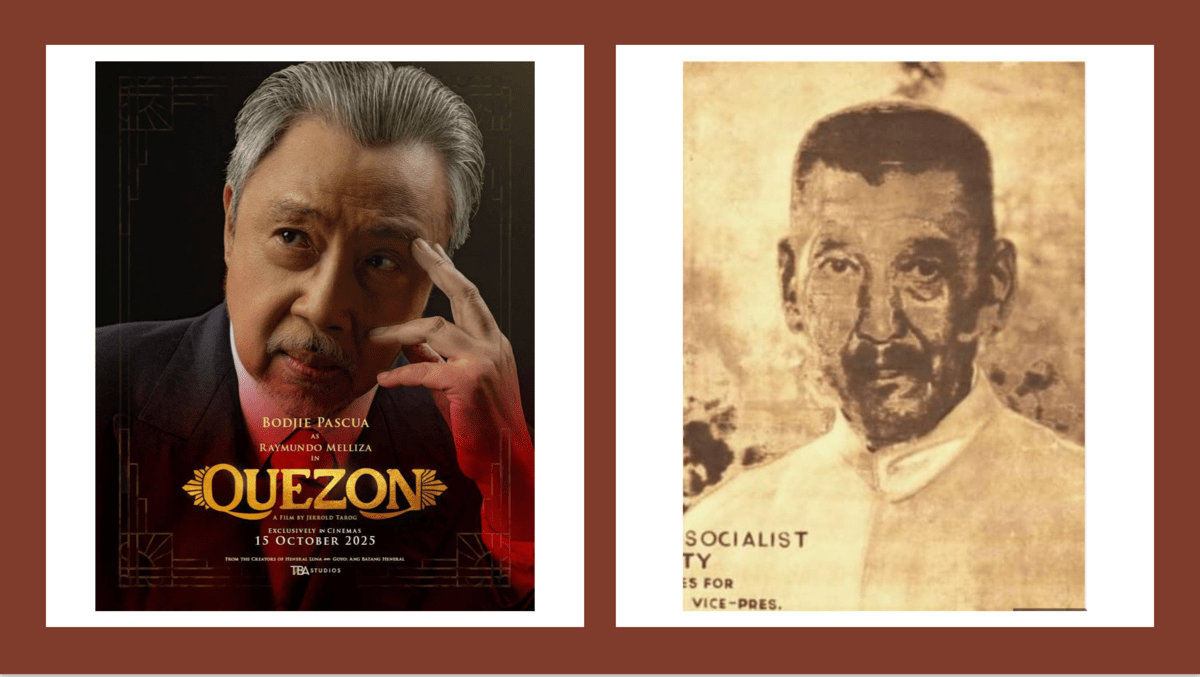
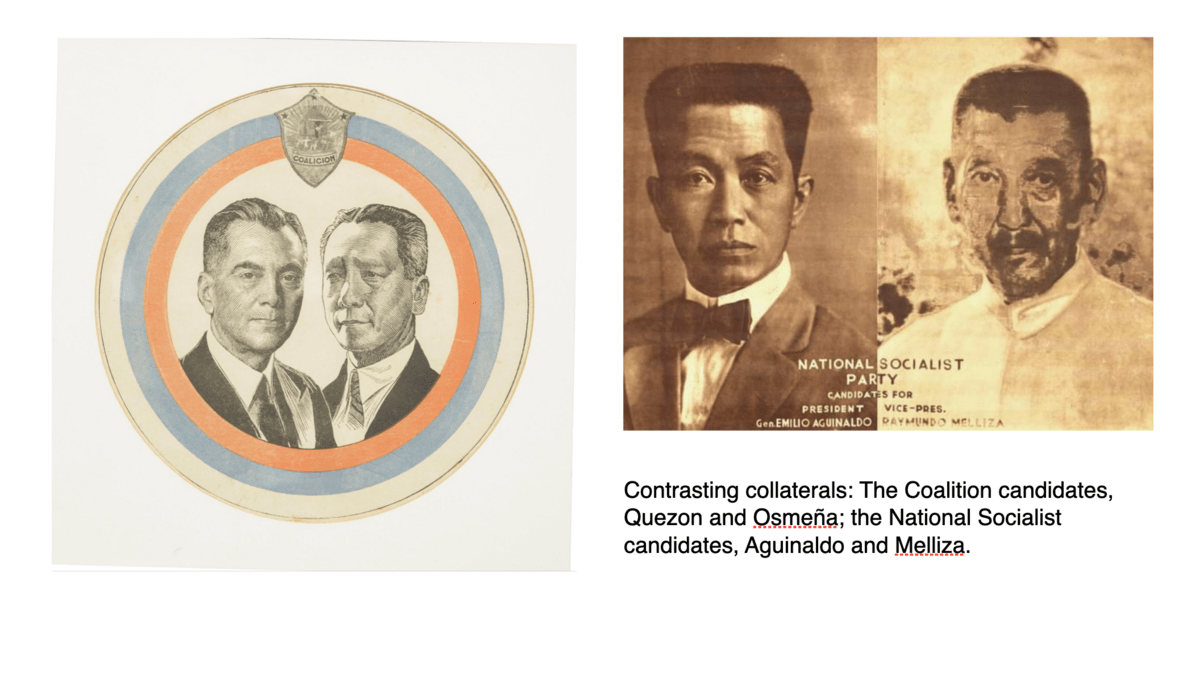
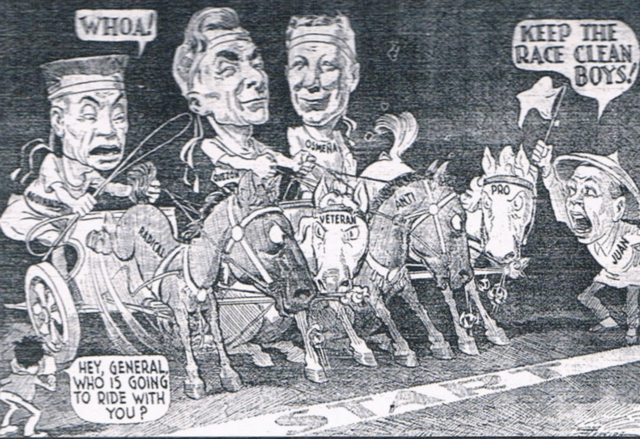
Every presidential tandem since 1935 has been a coalition. This Philippines Free Press editorial cartoon shows how political coalitions were often uneasy partnerships, in this case the Pros and Antis of Quezon-Osmeña, and the Veterans and Radicals of Aguinaldo—Melliza.
In politics, in many ways clothes do make the man (or woman), serving as an opportunity to have certain trademarks which help create an unforgettable identity.
But clothes for a movie or a play are quite expensive. So that has an effect on the choices made when it comes to what is shown on screen. Still…
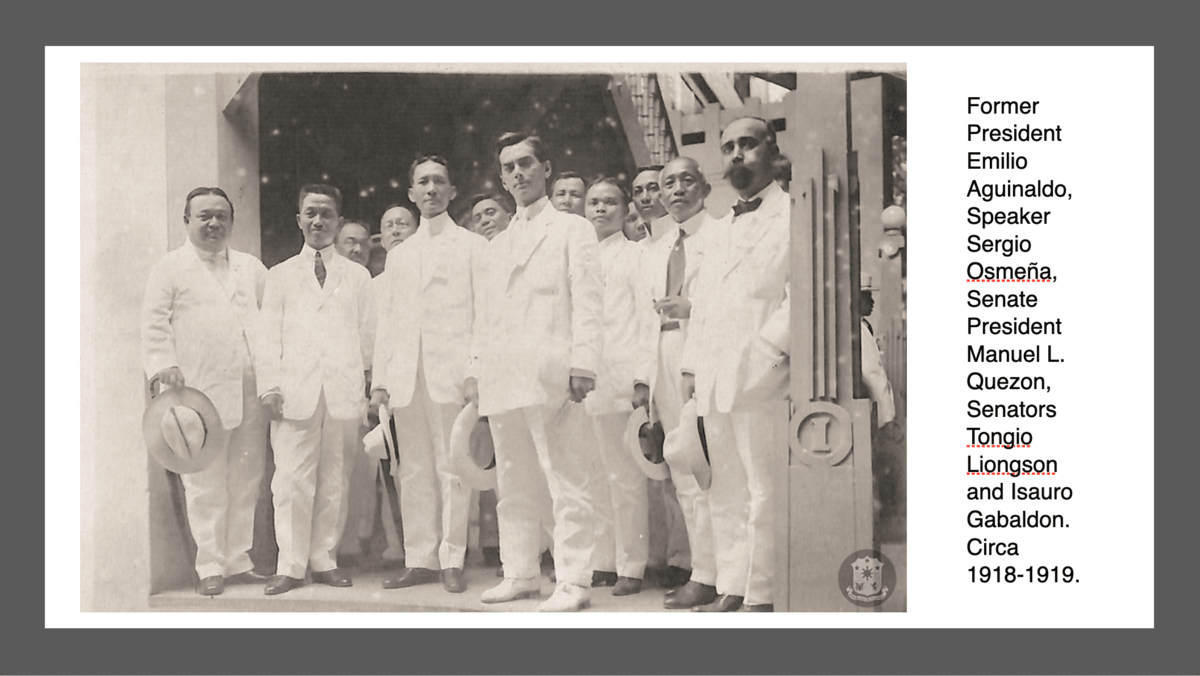
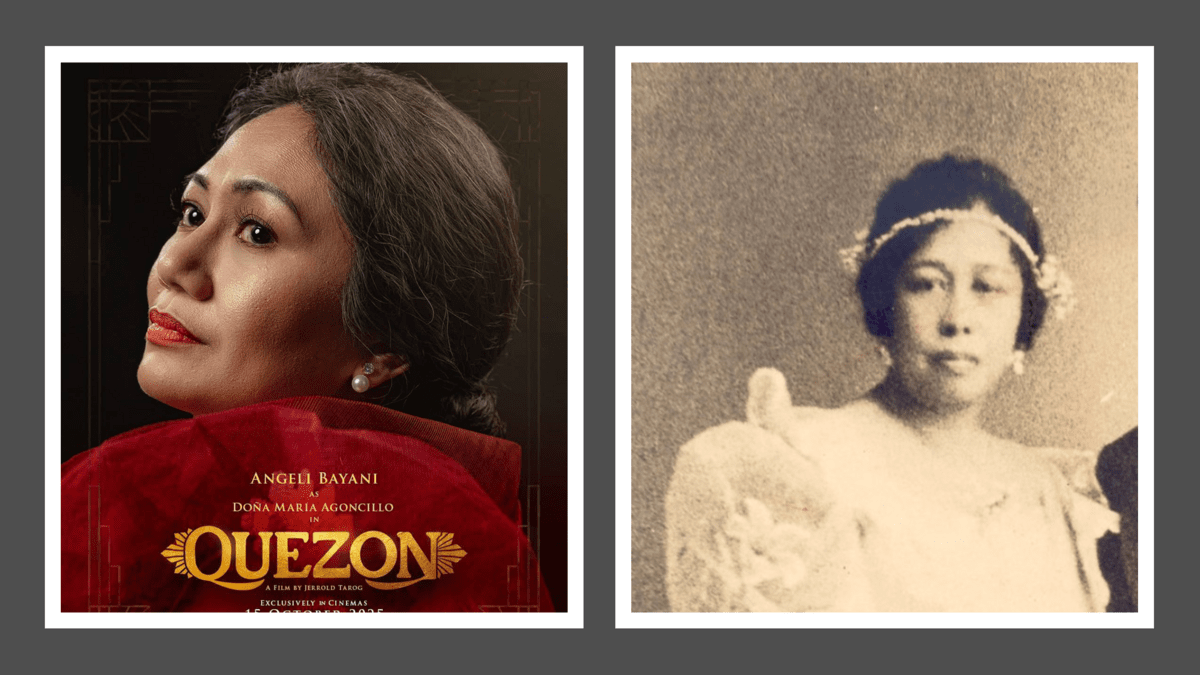
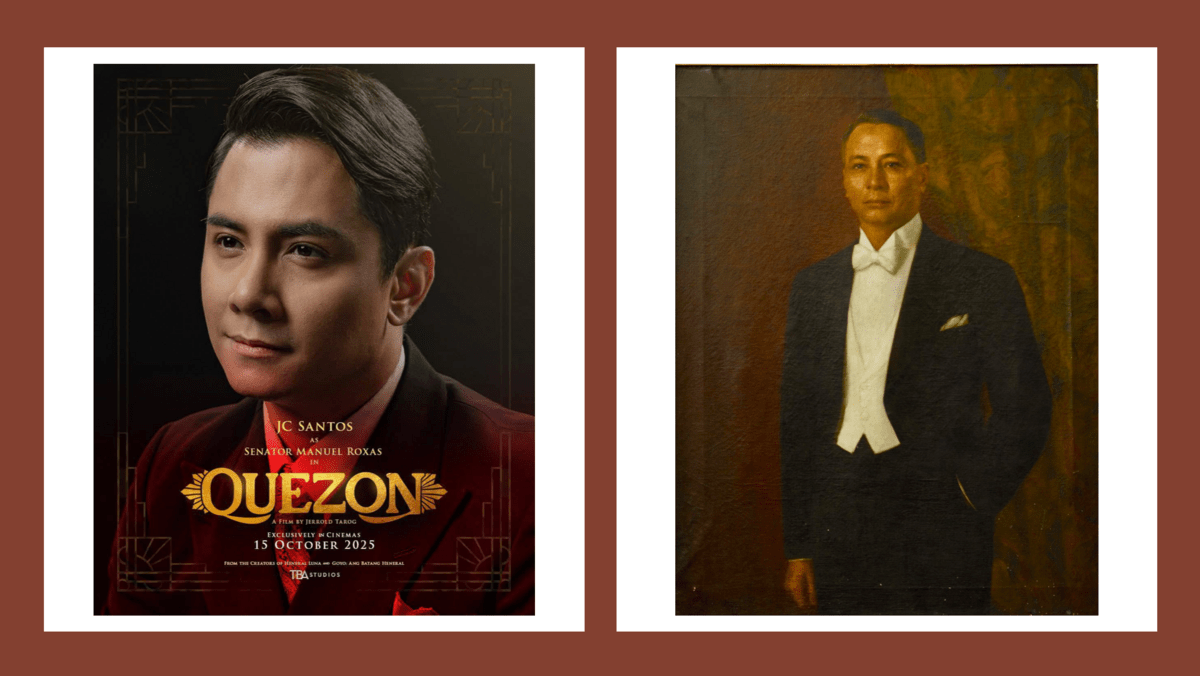
You can look at albums with photographs of Emilio Aguinaldo, Manuel L. Quezon, Sergio Osmeña, and Manuel Roxas, who all appear in the film, as they actually looked. Pay attention to the clothes they and their contemporaries wore. The Scrapbook of Clyde Tavenner also has interesting pictures from the turn of the 20th Century to the 1920s. For the 1930s, see Philippine Press Clippings and for the late 1930s see the Photogravure (Vol. IV and Vol. V).
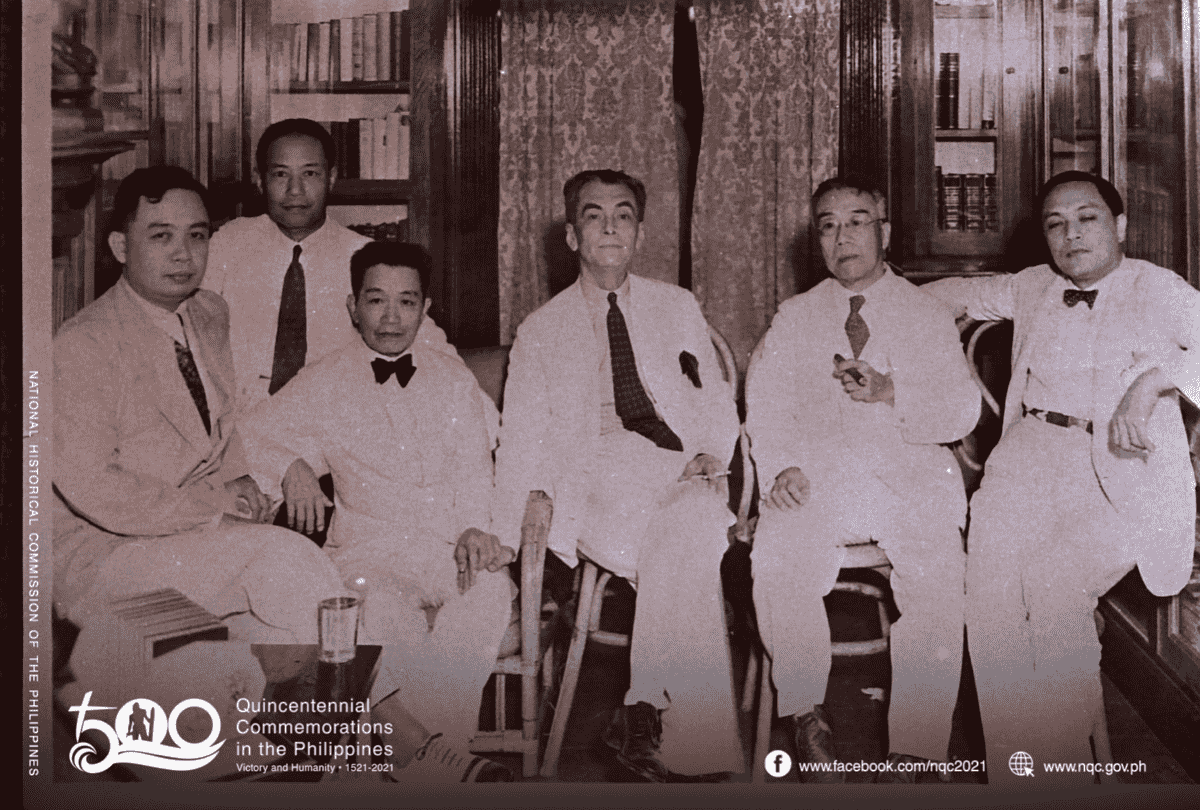
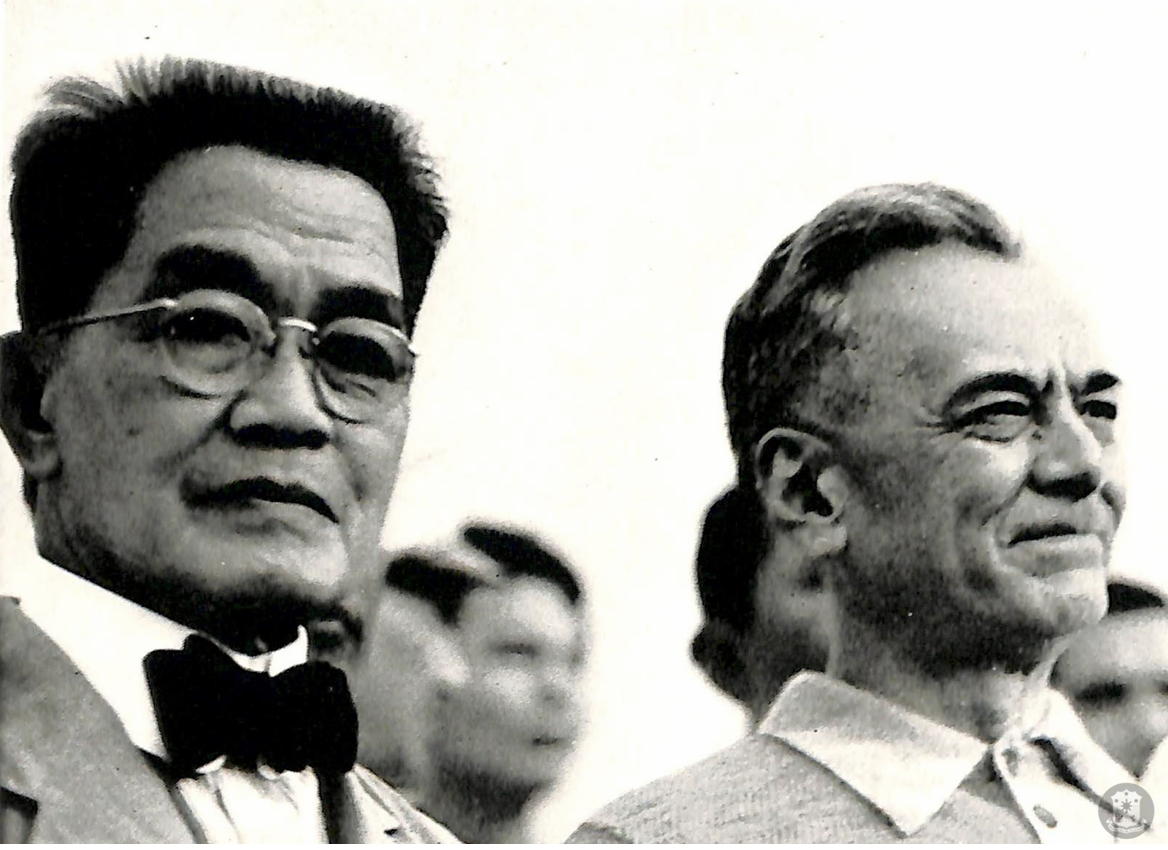
The NHCP says, “But on …the 32nd anniversary of the proclamation of Philippine independence, Quezon responded to the invitation of Aguinaldo to grace the occasion.”
In the photo, L-R: Justice Claro M. Recto, Aguinaldo, Quezon, Chief Justice Ramon Avanceña, ex-Speaker Quintin Paredes. It was actually the 42nd…
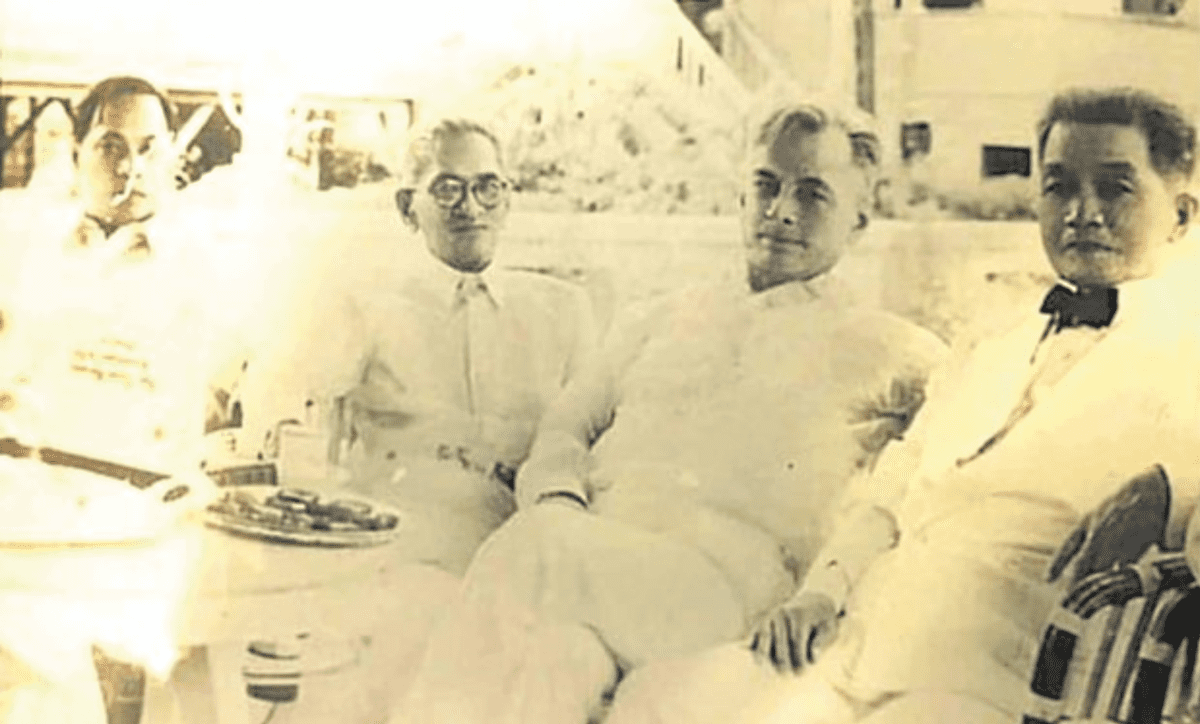
July 21, 1939, at the birthday of Daniel Maramba. The account is a combination of what the late Larry Henares and Felix Maramba wrote on the occasion of the formal reconciliation of the two, which they date to 1940. I think they’re a year off –it was actually 1939 as later events would show.
On July 21, from 1938 to 1941 – it became a habit of President Quezon to drop in at the house on Inocencio Street at about 10:00 A.M. to greet Don Daniel on his birthday. The President would ask, “What would you like for a birthday present?”…
“To see you and Don Emilio work together again for the good of the country. It grieves me to see two Filipino patriots at loggerheads. I know that your differences are all due to a misunderstanding.”
General Aguinaldo arrived at the house on Inocencio Street about 12:00 noon when the festivities were already in full swing. Thirty minutes later, President Quezon arrived and these two men, being both civilized, had to greet each other like gentleman. This led to their reconciliation with Don Daniel as their bridge.
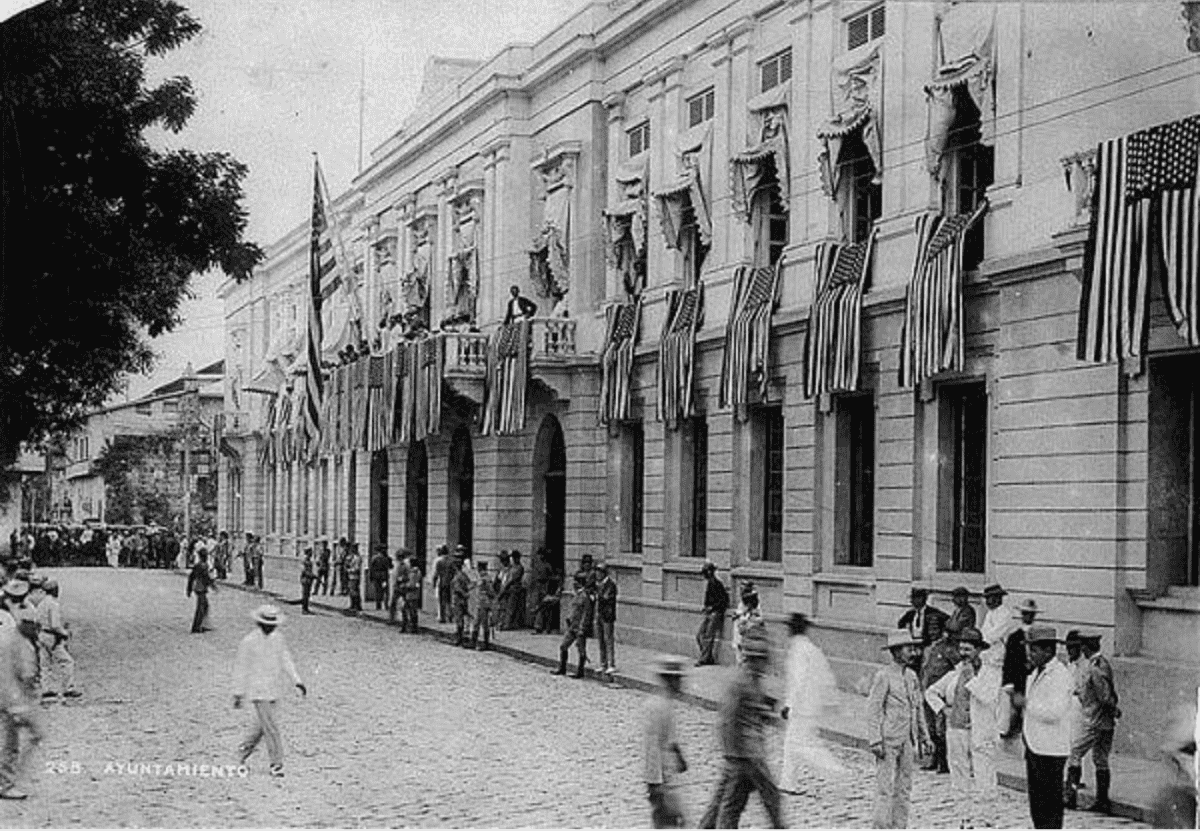
In 1907 the Philippine Assembly was established, with assemblymen elected by district. There was an upper house, but it was appointed by the Governor-General. The new Assembly held its sessions in the Ayuntamiento de Manila in Intramuros, in its famed Marble Hall. Sergio Osmeña became the first Speaker and Manuel Quezon, the first Majority Floor Leader.
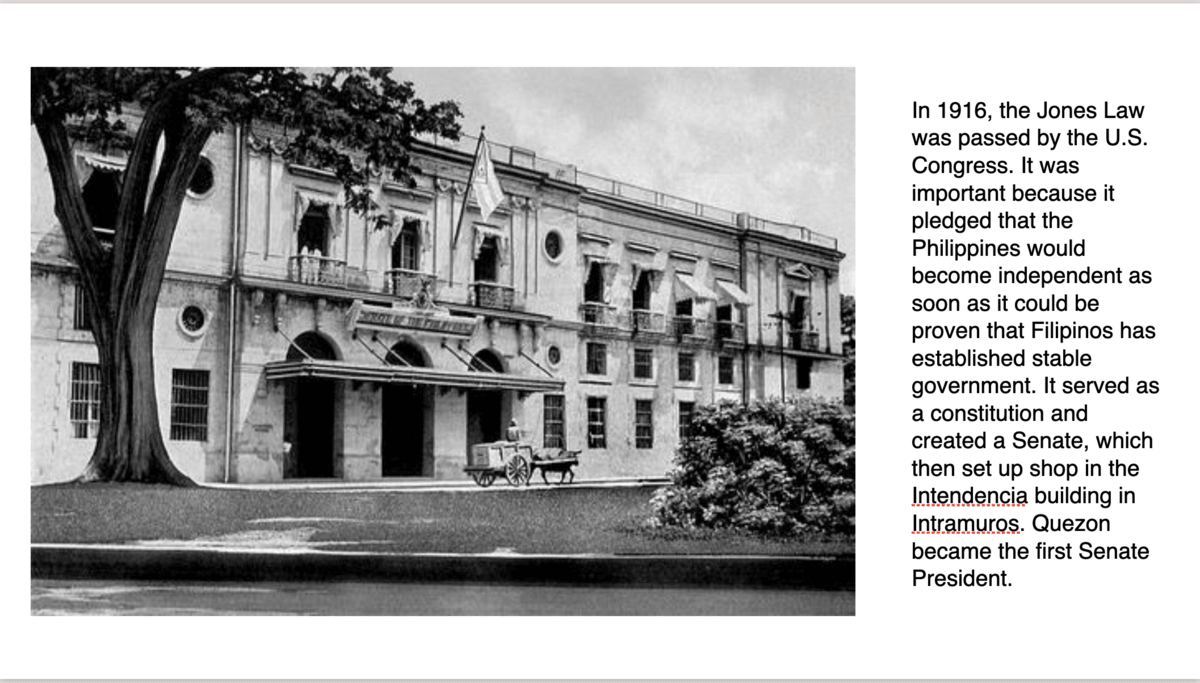
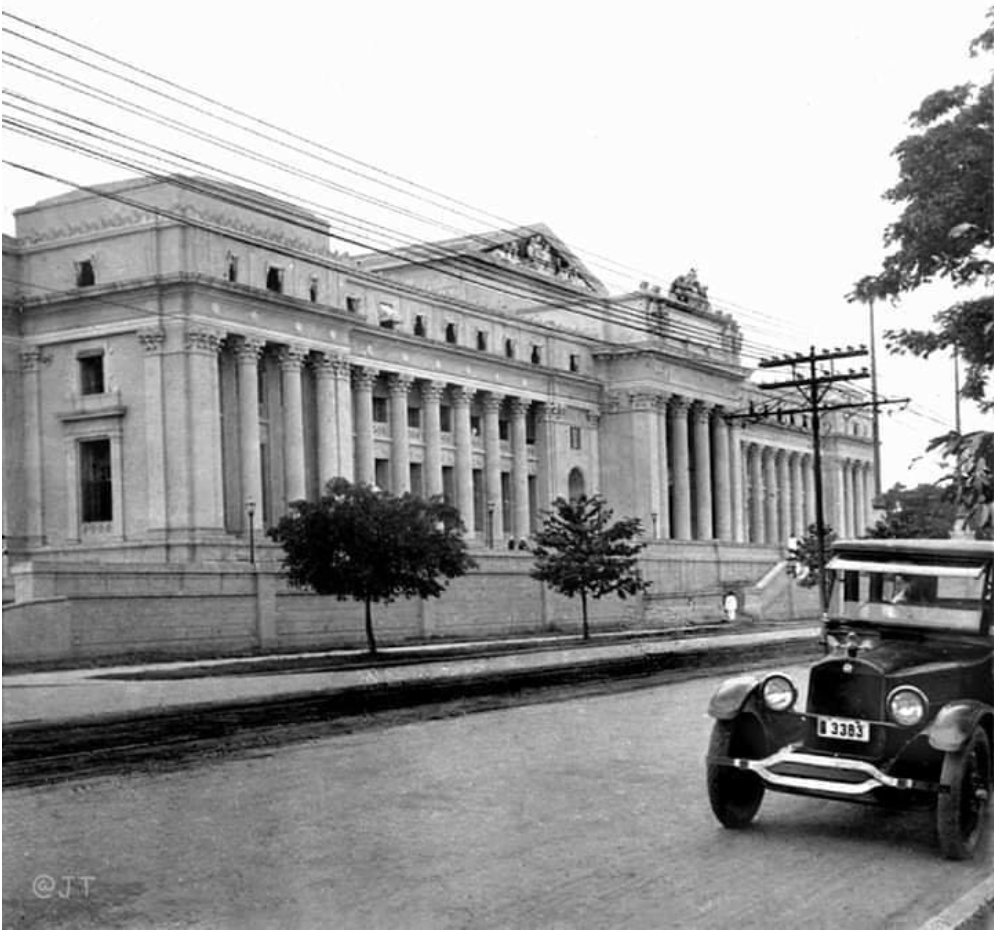
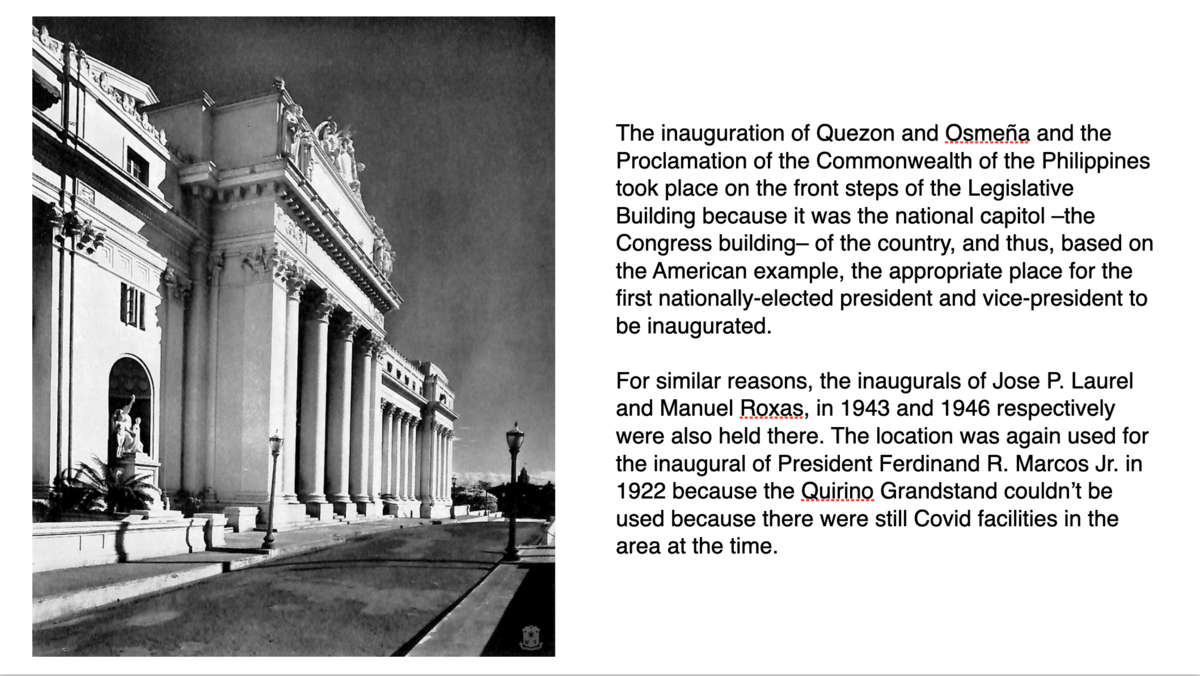
In 1926, the Philippine Legislature moved into the building that was supposed to be the National Library, as an act of rebellion. Leonard Wood had vetoed the bills providing money for the Philippine Independence Missions to America. The building was supposed to include the inscription, ERECTED BY THE FILIPINO PEOPLE AS MONUMENT TO RIGHTS WON AND DEDICATED BY THEM TO THE CAUSE OF FREEDOM. But Wood ordered it removed from the building because it was “not authorized”.
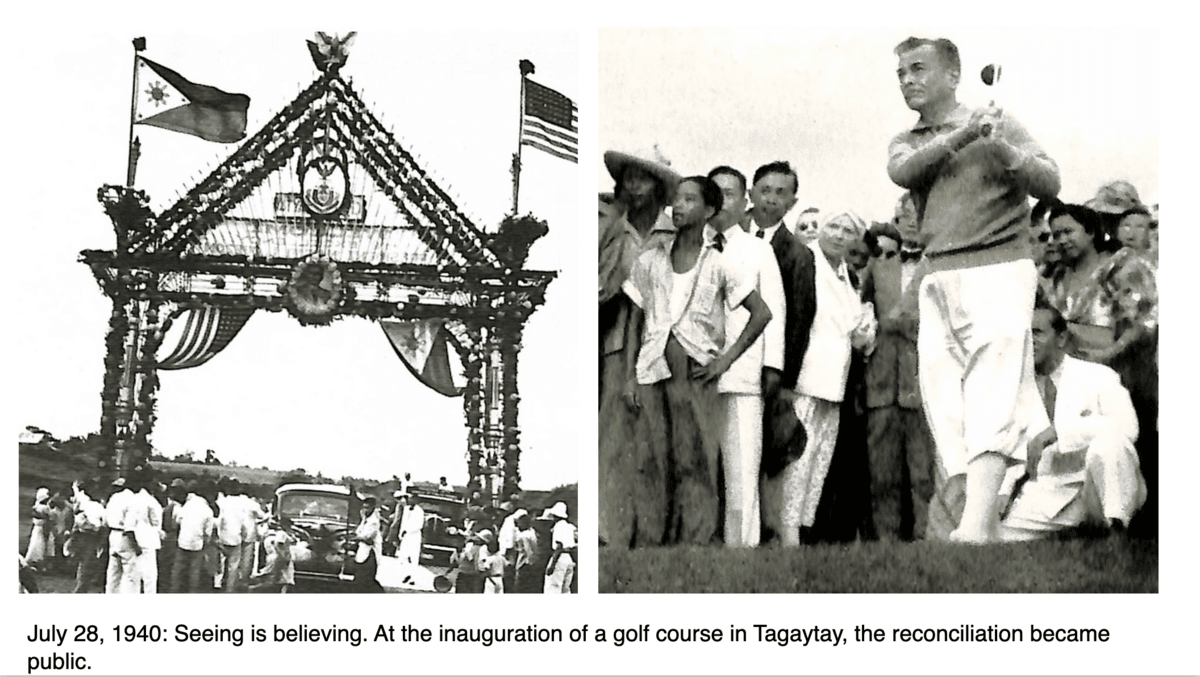
A surprise guest at the golf course’s Inauguration was General Aguinaldo and the two leaders were seen publicly together for the first time since 1930-31.
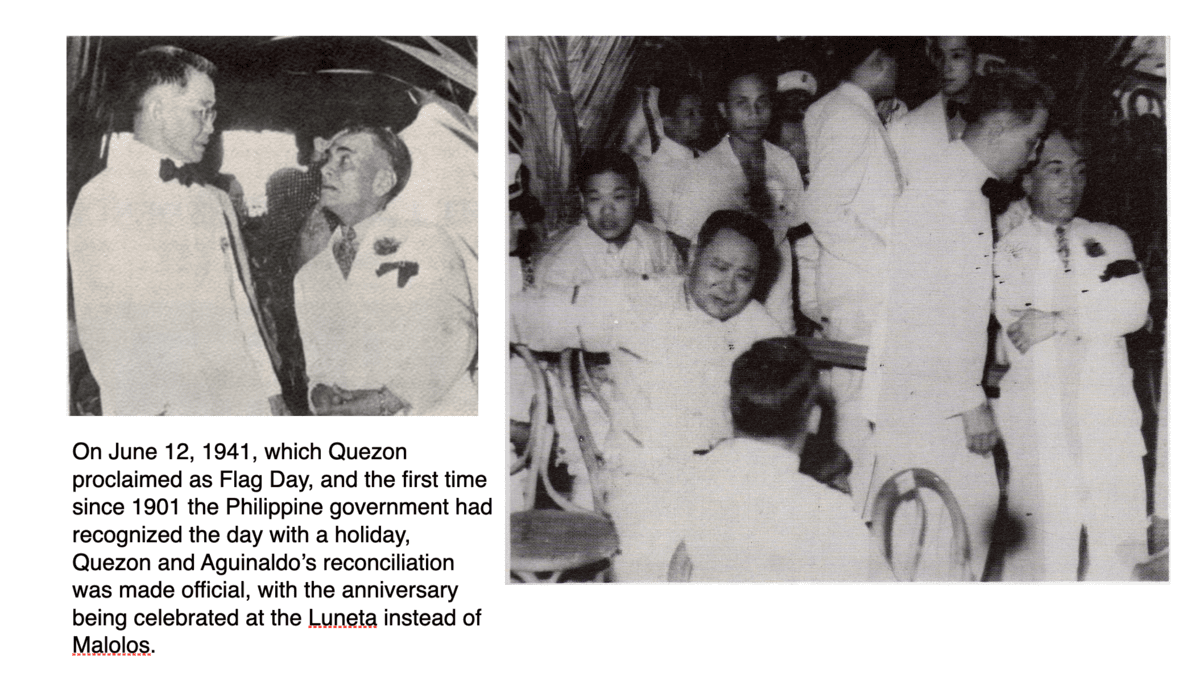
Their last official interaction would be recorded by the Official Gazette on December 20, 1941: “Upon the suggestion of General Emilio Aguinaldo, the President ordered that the Filipino flag be inverted so that the red stripe will be up and the blue one down. Traditionally, the Philippines at war has flown its flag that way “to denote the valor, firmness, and fortitude with which the Filipino people aim to prosecute war to victory.”
Images and text prepared by Manuel Quezon III
